Peptide Injections for Weight Loss: Clinical Guide
Achieving sustainable fat loss requires more than caloric restriction; it demands a precise pharmaceutical recalibration of metabolic pathways. While the market for peptide injections for weight loss has expanded rapidly, the proliferation of unregulated "research-grade" substances has introduced significant risks regarding purity and systemic safety. It's understandable that patients feel hesitant when faced with ambiguous dosing protocols or the absence of professional medical oversight. You deserve a pathway defined by clinical rigor rather than anecdotal evidence.
This guide outlines the science of professional peptide therapy, focusing on physician-supervised protocols and high-purity sourcing from US-licensed 503A pharmacies. You'll gain clarity on the metabolic mechanisms of advanced pharmacotherapy, including the application of lyophilized Semaglutide and the emerging data surrounding triple-agonist peptides like Retatrutide. By transitioning from retail-grade solutions to regulated medical facilitators, you can establish a foundation for long-term health optimization. We'll detail the specific standards for reconstitution, dosing, and the ongoing monitoring required for successful metabolic restoration.
Key Takeaways
- Understand how peptide therapy functions as a targeted signaling mechanism to transition from traditional caloric restriction to precision metabolic optimization.
- Differentiate between GLP-1 agonists for appetite regulation and GHRH protocols designed for direct lipolysis and the reduction of visceral adipose tissue.
- Identify the clinical necessity of sourcing lyophilized peptides from FDA-regulated 503A pharmacies to ensure product stability, purity, and systemic safety.
- Master the 2026 clinical implementation protocol, including mandatory physician consultations and laboratory requirements for monitoring thyroid and renal function.
- Discover how integrating Hormone Replacement Therapy (HRT) with peptide injections for weight loss preserves lean muscle mass and enhances overall metabolic synergy.
The Evolution of Weight Loss: Beyond Traditional Caloric Restriction
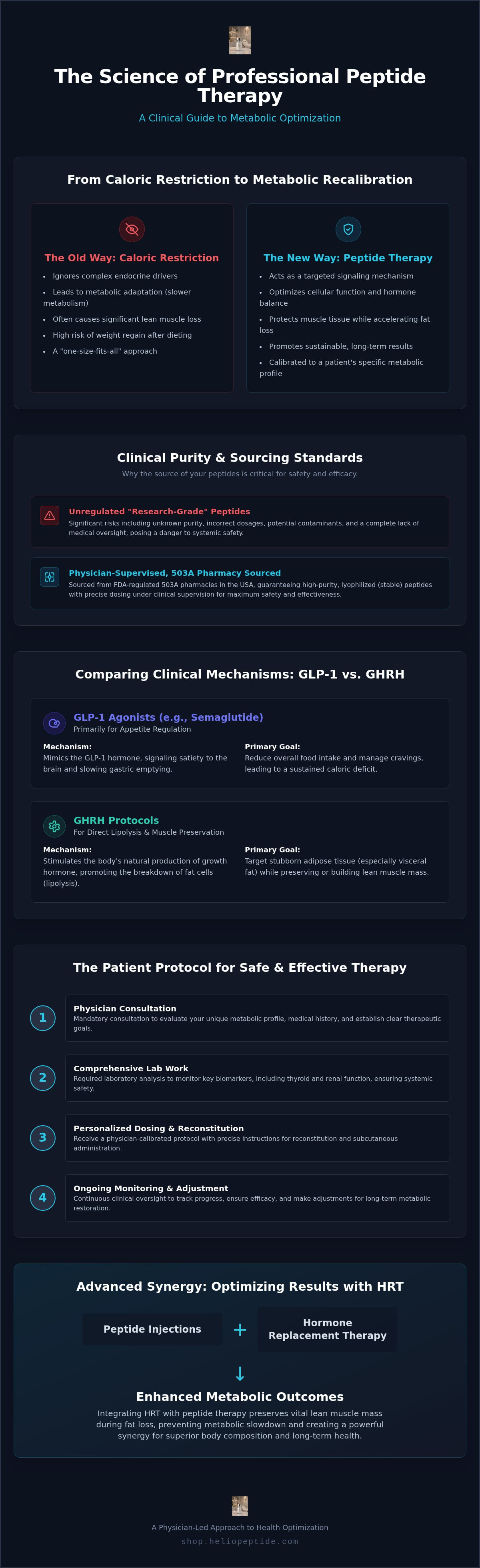
Traditional weight loss methodologies have historically prioritized the simple mathematics of caloric deficits. This approach often ignores the complex endocrine drivers that dictate how the body stores and utilizes energy. Clinical peptide therapy represents a paradigm shift toward precision metabolic health, utilizing short-chain amino acids to act as targeted signaling mechanisms. These molecules don't simply suppress appetite in a vacuum; they optimize cellular function by mimicking endogenous hormones that regulate glucose metabolism and lipid oxidation.
The administration of peptide injections for weight loss provides a distinct advantage over oral supplements. Bioavailability remains the primary concern in pharmaceutical delivery; oral compounds must survive the acidic environment of the gastrointestinal tract and first-pass hepatic metabolism. Subcutaneous injections bypass these barriers, ensuring that the precise dosage reaches systemic circulation with maximum potency. This reliability is essential for maintaining the stable plasma concentrations required for hormonal recalibration and long-term metabolic restoration.
Understanding the Biological Signaling of Peptides
Peptides function as biological messengers, binding to specific receptors to trigger physiological responses such as increased fat oxidation or enhanced insulin sensitivity. By mimicking the behavior of natural signaling molecules, these compounds restore balance to an endocrine system that may be compromised by chronic obesity or metabolic dysfunction. For a deeper exploration of these mechanisms, refer to our Peptide Therapy for Weight Loss: A Clinical Overview. Advanced agents like Tirzepatide demonstrate the efficacy of multi-receptor agonism, targeting both GLP-1 and GIP pathways to achieve superior metabolic outcomes compared to single-receptor agonists.
The Limitations of Non-Clinical Weight Loss Methods
Non-clinical dieting often results in metabolic adaptation, a state where the body reduces its basal metabolic rate to compensate for reduced energy intake. This frequently leads to significant loss of lean muscle mass, which further degrades metabolic efficiency and makes weight maintenance difficult. Peptide injections for weight loss serve as a structured pharmaceutical intervention designed to protect muscle tissue while accelerating lipolysis. Maintaining a high metabolic baseline is critical for preventing the weight regain typically associated with traditional dieting. Physician-led protocols ensure that the intervention is calibrated to the patient's specific metabolic profile, moving beyond the "one size fits all" approach of retail weight loss products.
Comparing Clinical Mechanisms: GLP-1 vs. GHRH Protocols
Clinical weight loss strategies are no longer limited to a single pathway. Different classes of peptide injections for weight loss target distinct biological systems to achieve specific body composition goals. While some protocols focus on appetite suppression through the central nervous system, others prioritize the direct breakdown of fat cells or the optimization of growth hormone secretion. Understanding these mechanisms is essential for matching a patient's metabolic phenotype with the most effective pharmaceutical intervention. Selection depends on whether the primary objective is systemic mass reduction or targeted visceral fat loss.
The medical community recognizes several FDA-approved peptides for weight loss that have set the standard for efficacy in obesity management. These agents primarily operate through the glucagon-like peptide-1 (GLP-1) pathway. However, the 2026 clinical landscape has expanded to include multi-receptor agonists and Growth Hormone Releasing Hormones (GHRH), which offer a more nuanced approach to fat loss and muscle preservation. These advancements allow clinicians to bypass traditional metabolic plateaus by engaging multiple metabolic receptors simultaneously.
Semaglutide: The Gold Standard for Satiety
Semaglutide functions as a potent GLP-1 receptor agonist. It works by delaying gastric emptying and signaling the brain's satiety centers to reduce food intake. This dual action helps patients maintain a caloric deficit without the intense hunger signals typically associated with weight loss. Beyond simple weight reduction, clinical data suggests improvements in systemic inflammation and cardiovascular markers. For detailed information on administration and safety, consult our Semaglutide 15 mg Lyophilized Guide. It's an established protocol for those requiring significant appetite regulation.
Retatrutide: The Triple-Agonist Advancement
Retatrutide represents a significant technological leap in clinical peptide therapy. As a triple agonist, it targets the GIP (glucose-dependent insulinotropic polypeptide), GLP-1, and glucagon receptors simultaneously. This "triple hit" not only suppresses appetite but also increases energy expenditure through glucagon receptor activation, making it particularly effective for patients with high levels of metabolic resistance. You can explore the technical specifications of this compound in our review of Retatrutide 10mg: The Triple-Agonist Evolution.
GHRH protocols, such as Tesamorelin, offer an alternative by focusing on direct lipolysis and the reduction of visceral adipose tissue. These are often preferred for patients seeking to improve body composition rather than total mass reduction. Identifying the correct protocol requires a professional assessment of your current hormonal baseline. You can schedule a clinical consultation to determine which peptide class aligns with your specific metabolic needs.
Clinical Purity and Sourcing: Why Sourcing Standards Matter
The efficacy of any pharmacological intervention is fundamentally contingent upon the biochemical purity of the compound. When utilizing peptide injections for weight loss, the distinction between clinical-grade substances and unregulated chemicals is not merely a matter of cost; it's a critical determinant of biological safety. High-purity sourcing ensures that the molecular structure of the peptide remains intact, facilitating the intended metabolic signaling without triggering adverse immune responses or systemic toxicity. Without rigorous verification, the risk of introducing impurities into the bloodstream increases significantly, potentially compromising the very metabolic pathways the therapy aims to optimize.
Lyophilization, or freeze-drying, represents the pharmaceutical gold standard for maintaining peptide stability and potency. This sophisticated process removes moisture from the product while it is in a frozen state, creating a stable powder that preserves the delicate chemical integrity of the amino acid chain. Unlike pre-mixed liquid solutions, which are highly susceptible to thermal degradation and molecular shearing, lyophilized peptides maintain their full therapeutic value until the moment of reconstitution. This ensures that every administered dose is precisely calibrated and free from the degradation byproducts that frequently lead to localized inflammation or sub-therapeutic outcomes.
The 503A Pharmacy Standard
Peptides intended for human administration must be produced within the rigorous regulatory framework of a 503A compounding pharmacy. These facilities are strictly governed by state boards of pharmacy and must adhere to comprehensive USP standards for sterile compounding. This controlled environment guarantees that the final product is devoid of endotoxins, pyrogens, and microbial contaminants that could compromise patient health. Every batch of clinical-grade peptides is verified through a Certificate of Analysis (COA), which provides empirical data on the substance's identity, purity levels, and exact concentration. Sourcing from US-licensed manufacturers ensures that the pharmaceutical supply chain remains transparent and fully accountable to established federal oversight.
The Dangers of Grey Market 'Research Peptides'
Unregulated online vendors frequently market substances as "research chemicals" or "not for human consumption" as a legal maneuver to bypass FDA safety and efficacy regulations. This designation serves as a primary red flag for any patient seeking legitimate therapy. These products are often manufactured in facilities that lack basic sterile controls, resulting in a high prevalence of infection or severe injection site reactions. Independent laboratory testing of grey market batches has consistently revealed the presence of heavy metals, residual industrial solvents, and significant variances in dosing. Utilizing these unverified substances for peptide injections for weight loss risks irreversible metabolic damage. A physician-supervised program is the only method to ensure a closed-loop safety environment where sourcing and patient monitoring are prioritized.
Clinical Implementation: The Patient Protocol for 2026
Clinical implementation of peptide therapy begins with a comprehensive metabolic assessment. This is not a cursory review; it's a rigorous analysis of your endocrine profile to ensure suitability for potent agonists. Physicians evaluate your medical history, specifically screening for contraindications such as a history of medullary thyroid carcinoma or pancreatitis. Laboratory diagnostics are a mandatory prerequisite. Essential blood panels must include thyroid markers (TSH, Free T4) and renal function metrics (Creatinine, eGFR) to establish a safe physiological baseline before initiating peptide injections for weight loss. Monitoring these values throughout the treatment cycle ensures that the metabolic shift remains within safe therapeutic parameters.
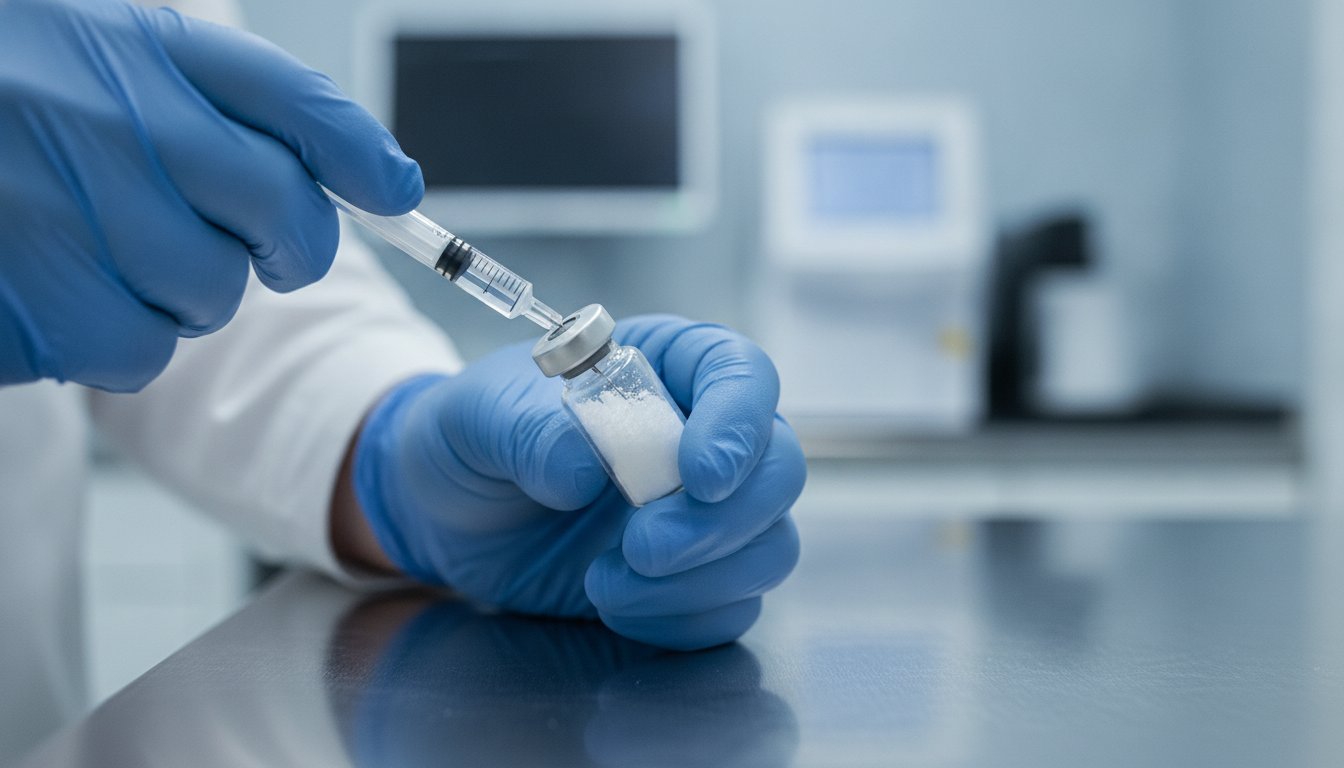
Administration of lyophilized peptides requires technical precision. The reconstitution process involves the careful introduction of bacteriostatic water into the vial, followed by gentle swirling to preserve the molecular integrity of the peptide chain. Subcutaneous injections are typically performed in the adipose tissue of the abdomen or thigh using a fine-gauge insulin syringe. To minimize adverse effects, clinicians utilize a "low and slow" titration schedule. This methodical escalation allows the gastrointestinal tract to adapt to the medication, significantly reducing the incidence of acute nausea or dyspepsia often seen with rapid dosage increases.
The Telehealth Consultation Process
Modern digital health platforms have removed the geographic barriers to specialized care. You can access expert physicians who specialize in metabolic optimization without the limitations of local clinic availability. These consultations facilitate a deep dive into your specific goals, whether you're utilizing single-receptor agonists or the newer triple-agonist compounds like Retatrutide. Ongoing supervision is a core component of the protocol; it allows for real-time dosage adjustments based on your individual response and weight loss velocity. For those seeking a structured approach, The Best Online Semaglutide Program provides a comprehensive roadmap for sourcing and professional supervision.
Managing the Therapeutic Window
Maintaining the therapeutic window involves more than just hitting a target dose. It requires a commitment to specific nutritional and hydration standards. Increased protein intake is vital; it works alongside the peptides to prevent the muscle wasting often seen in rapid fat loss. Hydration is equally critical to support renal clearance and mitigate potential constipation. As you approach your target weight, the physician will guide you through a maintenance phase, gradually tapering the dose to ensure the body's metabolic set point is successfully reset. This transition is the key to preventing the rebound weight gain common in unsupervised programs. If you're ready to begin your protocol, you can start your clinical consultation with our specialized medical facilitators today.
Optimizing Results with Advanced Peptide Synergy
The most effective clinical outcomes are rarely achieved through a single pharmaceutical pathway. Instead, peak physical optimization requires a synergistic approach that addresses the interconnected nature of the human endocrine system. While peptide injections for weight loss are highly effective at regulating appetite and accelerating lipolysis, their efficacy can be significantly enhanced when combined with other hormonal interventions. Integrating complementary therapies ensures that the metabolic shift doesn't occur at the expense of lean tissue or hormonal equilibrium. This holistic strategy moves beyond simple mass reduction to prioritize total body composition and metabolic health.
Maintaining muscle mass is a primary concern during periods of rapid fat loss. Sarcopenia, or the loss of muscle tissue, often occurs when the body is in a significant caloric deficit, even when supported by GLP-1 agonists. Utilizing TRT Programs can mitigate this risk by maintaining anabolic signaling, ensuring that the weight lost is predominantly adipose tissue rather than functional muscle. Furthermore, Advanced Peptide Therapy can be employed to support cellular repair and systemic recovery, providing a comprehensive framework for health optimization that extends beyond the scale.
Hormonal Balance and Weight Loss
A compromised hormonal baseline can create a physiological ceiling that stalls even the most advanced weight loss protocols. Low testosterone in men or estrogen imbalances in women frequently lead to metabolic resistance and increased visceral fat deposition. By integrating Physician-Supervised HRT into a wellness plan, patients can restore the hormonal environment necessary for peptides to function at peak efficiency. This combination optimizes the body's set point, making sustainable weight management a biological reality rather than a constant struggle against endocrine dysfunction.
The Future of Healthspan
Clinical peptide therapy is evolving into a foundational tool for extending healthspan and improving metabolic flexibility. By utilizing peptide injections for weight loss under strict medical oversight, patients can achieve a profound transformation in their biological age and systemic vitality. The differentiator between a temporary "fad" and a permanent lifestyle transformation is the presence of rigorous clinical protocols and high-purity sourcing. A physician-led approach ensures that every intervention is data-driven and calibrated to your unique physiological needs. To begin your journey toward precision metabolic health, you can consult with a Helio Peptide physician to design your personalized protocol.
Advancing Toward Sustainable Metabolic Restoration
Clinical peptide therapy represents a significant departure from broad-spectrum weight loss methods, offering a precise pharmaceutical recalibration of the body's internal signaling. By prioritizing high-purity substances sourced from FDA-regulated 503A pharmacies and integrating advanced hormonal synergy, you can bypass the metabolic plateaus that often stall traditional efforts. This physician-led approach ensures that every protocol is calibrated to your specific biological needs, protecting lean muscle mass while accelerating systemic fat loss. The transition from retail-grade solutions to professional-grade peptide injections for weight loss is the critical differentiator for achieving long-term metabolic health.
Sustainable results are the inevitable consequence of scientific methodology and dedicated clinical oversight. Helio Peptide provides a comprehensive environment for metabolic optimization, featuring clinical-grade products sourced from FDA-regulated 503A pharmacies and specialized physician consultations. You can take the first step toward a disciplined and data-driven physical transformation by establishing a foundation of safety and efficacy. We're here to facilitate your journey toward peak performance and physical restoration.
Start Your Physician-Supervised Peptide Program Today
Frequently Asked Questions
Are peptide injections for weight loss safe for long-term use?
Safety is contingent upon ongoing clinical oversight and the regular monitoring of metabolic markers. When administered through regulated protocols, these interventions are designed for sustained metabolic management rather than temporary suppression. Long-term use requires periodic evaluation of renal and thyroid function to ensure the body's response remains within safe parameters. Continuous physician supervision allows for the mitigation of side effects and the adjustment of dosages based on real-time physiological data.
How do I know if my peptides are sourced from a legitimate 503A pharmacy?
Legitimate sourcing is confirmed through the provision of a Certificate of Analysis (COA) and verification of the facility's US-licensed 503A status. These pharmacies operate under strict sterile compounding standards governed by state boards of pharmacy. Patients should confirm that their provider utilizes a closed-loop system where medications are dispensed specifically for their clinical needs. This regulatory framework ensures that the compounds are free from contaminants and meet precise potency requirements.
What is the difference between Semaglutide and Retatrutide for fat loss?
Semaglutide functions as a single-receptor GLP-1 agonist, whereas Retatrutide is a triple-agonist targeting GLP-1, GIP, and glucagon receptors. This "triple hit" increases energy expenditure and targets fat oxidation more aggressively than single-receptor agents. While Semaglutide remains the established gold standard for satiety, Retatrutide is often utilized for patients with significant metabolic resistance. The choice between these two depends on your specific metabolic phenotype and weight loss objectives.
Do I need to follow a specific diet while taking peptide injections?
A high-protein nutritional framework is essential to preserve lean muscle mass while utilizing peptide injections for weight loss. While the medication regulates appetite, the body still requires specific macronutrients to support metabolic repair and prevent muscle wasting. Hydration is equally critical to facilitate the clearance of metabolic byproducts. Clinicians recommend a diet focused on nutrient-dense foods to complement the pharmaceutical signaling and ensure long-term weight maintenance.
Can I administer peptide injections myself at home?
Subcutaneous administration is designed for self-administration at home following a clinical orientation and training on sterile technique. Patients are instructed on the use of fine-gauge insulin syringes to ensure precision and minimal discomfort. The injection is typically performed in the adipose tissue of the abdomen or thigh. While the process is straightforward, maintaining a direct line of communication with your physician is necessary to manage titration schedules and address any localized reactions.
What happens if I stop taking weight loss peptides suddenly?
Sudden cessation of therapy can lead to a rapid return of baseline appetite and potential weight regain. This occurs because the metabolic pathways were chemically regulated and require a transition period to stabilize. Clinicians utilize a structured tapering protocol to reset the body's metabolic set point gradually. Sudden discontinuation without a maintenance plan often results in metabolic adaptation, making future weight management more difficult to achieve without further intervention.
How quickly can I expect to see results from peptide therapy?
Initial physiological shifts, such as reduced hunger and improved glycemic control, are often noticed within the first four weeks of treatment. Significant changes in body composition and scale weight are typically observed between the eight and twelve-week marks as the dosage is titrated. Individual results vary based on metabolic baseline and adherence to the prescribed protocol. Consistent monitoring ensures that the weight loss velocity remains safe and sustainable over the duration of the program.
Will insurance cover physician-supervised peptide therapy?
Insurance coverage for weight management peptides is variable and depends on the specific commercial plan's formulary and clinical requirements. Many plans require prior authorization and evidence of a body mass index (BMI) above 30, or 27 with weight-related co-morbidities. While some employers include anti-obesity medications, others exclude them entirely. Patients should consult their benefits coordinator or work with their clinical facilitator to determine the requirements for reimbursement or explore cash-pay alternatives.
