
Advanced Peptide Therapy: A Clinical Reference for Health Optimization
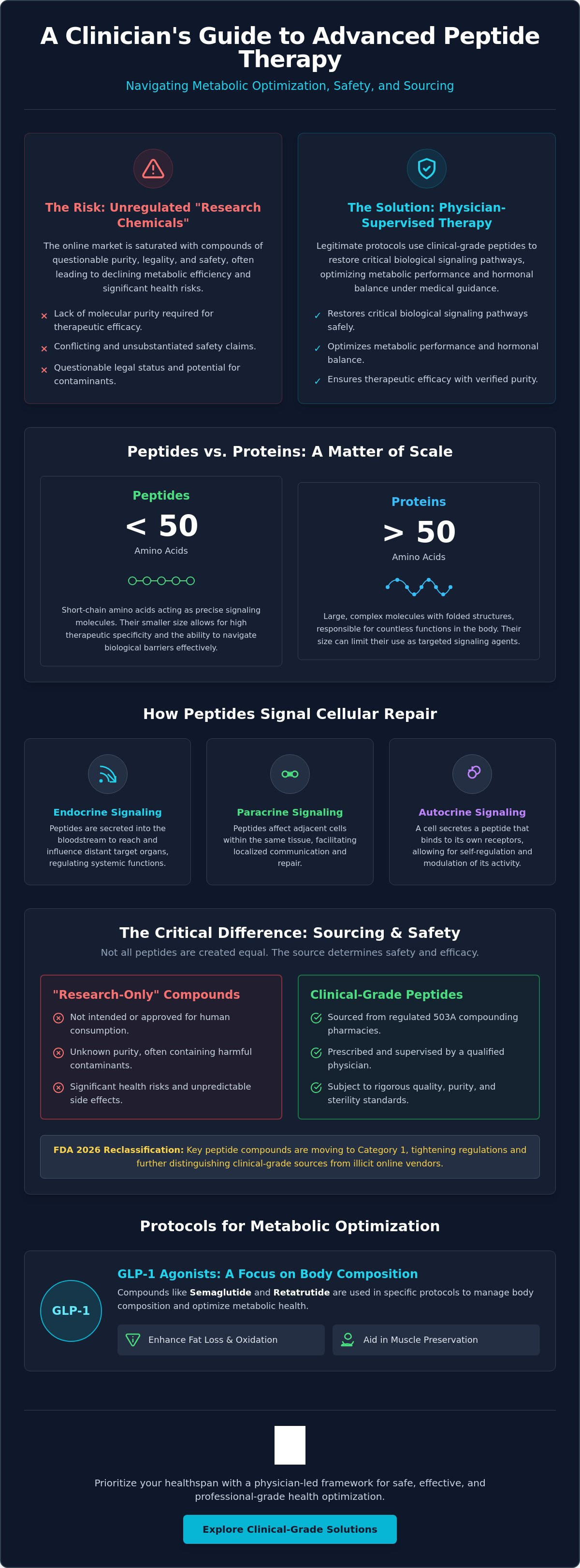
The unregulated "research chemicals" marketed across the digital landscape represent a significant risk to physiological integrity and frequently lack the molecular purity required for therapeutic efficacy. It's frustrating to experience declining metabolic efficiency and protracted recovery times while navigating a marketplace saturated with conflicting safety claims and questionable legal statuses. This clinical guide provides a comprehensive framework for understanding how advanced peptide therapy restores critical biological signaling pathways to optimize metabolic performance and hormonal balance. You'll gain a definitive understanding of the recent 2026 FDA reclassifications that moved key compounds to Category 1, ensuring you can distinguish between illicit online sources and legitimate, physician-supervised protocols. We'll examine the rigorous standards of 503A clinical-grade sourcing and the specific mechanisms through which these precise amino acid sequences facilitate enhanced fat loss and muscle preservation. By prioritizing scientific rigor over anecdotal hype, this reference establishes the necessary protocols for safe, effective, and professional-grade health optimization.
Key Takeaways
- Understand the clinical distinction between endogenous amino acid production and exogenous signaling interventions used to restore biological efficiency.
- Analyze the endocrine and paracrine pathways through which advanced peptide therapy regulates growth hormone production and metabolic rate.
- Identify specific protocols for metabolic optimization, including the use of GLP-1 agonists like Semaglutide and Retatrutide for body composition management.
- Differentiate between illicit "research-only" compounds and clinical-grade peptides sourced through regulated 503A compounding pharmacies.
- Establish a physician-led framework for transitioning from metabolic dysfunction to a state of optimized healthspan and physical performance.
What is Advanced Peptide Therapy? A Clinical Definition
Peptides represent a specialized class of biological compounds comprised of short-chain amino acids linked by peptide bonds. While they occur naturally within the human body to regulate a vast array of physiological functions, Peptide therapeutics involve the precise administration of exogenous sequences to achieve specific clinical outcomes. Advanced peptide therapy is defined by the use of these molecules within highly targeted, physician-supervised protocols designed to restore biological signaling that has diminished due to age, stress, or metabolic dysfunction. Unlike traditional hormone replacement therapy (HRT), which focuses on the direct replacement of deficient hormones like testosterone or estrogen, peptide protocols act as secretagogues or signaling agents. They instruct the body to upregulate its own production of growth factors or modulate metabolic pathways, offering a more nuanced and restorative approach to health optimization.
The Biological Role of Signaling Molecules
Peptides function as primary messengers that bind to specific cell-surface receptors with high affinity. This binding event triggers a cascade of intracellular responses, effectively activating or inhibiting cellular functions such as tissue repair, fat oxidation, or immune modulation. The primary advantage of advanced peptide therapy lies in its extreme specificity. While broad-spectrum pharmaceuticals often interact with multiple systems and cause systemic side effects, peptides are engineered to target distinct receptors. The transient nature of these signals is a critical factor in protocol design. Many peptides possess short half-lives, meaning they remain active in the bloodstream for only minutes or hours. This necessitates precise dosing frequencies to maintain the desired therapeutic window and ensure consistent biological signaling.
Peptides vs. Proteins: Understanding the Molecular Scale
The distinction between a peptide and a protein is fundamentally a matter of molecular scale and complexity. Conventionally, sequences containing fewer than 50 amino acids are classified as peptides, while longer, folded chains are categorized as proteins. This smaller molecular size is what allows for the high degree of therapeutic targeting seen in advanced peptide therapy. Because they're smaller, they can navigate biological barriers more effectively than large, bulky proteins. However, this structure also presents unique bioavailability challenges. Most peptides are susceptible to rapid degradation by proteolytic enzymes in the digestive tract. Consequently, physician-supervised protocols typically prioritize subcutaneous injections or lyophilized preparations over oral administration to ensure the compound reaches systemic circulation intact and remains biologically active.
The Mechanism of Action: How Peptides Signal Cellular Repair
Peptides function as highly specific ligands that initiate complex intracellular cascades by binding to dedicated cell-surface receptors. Within the framework of advanced peptide therapy, these molecules operate through three primary signaling mechanisms. Endocrine signaling involves peptides that are secreted into the bloodstream to reach distant target organs. Paracrine signaling occurs when peptides affect adjacent cells within the same tissue environment. Autocrine signaling describes a process where a cell secretes a peptide that binds to its own receptors to modulate its own activity. These pathways are essential for maintaining bioregulation, a state where the body's internal systems remain in dynamic equilibrium despite external stressors. By precisely targeting these pathways, peptide protocols restore cellular homeostasis and improve the body's ability to respond to physiological demands.
A central component of this therapeutic approach is the modulation of inflammatory cytokines. Many advanced peptide sequences are engineered to downregulate pro-inflammatory markers while simultaneously upregulating anti-inflammatory signals. This targeted intervention mitigates the systemic low-grade inflammation that often accelerates biological aging and metabolic dysfunction. Unlike broad-spectrum anti-inflammatories, peptides provide a nuanced signal that encourages the body to resolve inflammation naturally. This restorative signaling is particularly evident in the upregulation of growth hormone and other essential metabolic factors, ensuring that the physiological environment is primed for repair and peak performance.
Metabolic Signaling and Insulin Sensitivity
The clinical importance of metabolic signaling is underscored by the Breakthrough Prize for GLP-1 research, which highlights how these molecules have revolutionized our understanding of metabolic health. Peptides such as Semaglutide and Retatrutide act as potent analogs of endogenous incretins, influencing both pancreatic insulin secretion and hypothalamic satiety pathways. These downstream effects lead to significant improvements in lipid metabolism and glucose utilization. For a more detailed examination of these processes, you may review our clinical overview of peptide therapy for weight loss. These interventions don't just mask symptoms; they fundamentally recalibrate the body's energy management systems.
Tissue Regeneration and Wound Healing
Regenerative peptides like BPC-157 and TB-500 are recognized for their role in angiogenic signaling and the promotion of new blood vessel formation. These compounds facilitate the upregulation of collagen synthesis and the repair of the extracellular matrix, which are critical for structural integrity and recovery. By accelerating these natural repair processes, advanced peptide therapy allows for faster recuperation from physical exertion and chronic injuries. If you are interested in implementing these strategies, you can explore our comprehensive peptide protocols to begin your optimization journey. These sequences provide the precise biological instructions needed to restore damaged tissues at the molecular level.
Primary Protocols in Advanced Peptide Therapy
Clinical application of advanced peptide therapy requires a structured taxonomy based on primary physiological objectives. Rather than viewing these compounds as isolated agents, practitioners categorize them into metabolic, regenerative, and cognitive protocols to ensure synergistic signaling across multiple biological systems. Metabolic protocols focus on recalibrating energy homeostasis and insulin response, while regenerative protocols prioritize tissue repair and angiogenic signaling. Cognitive protocols target neuroprotection and neurotransmitter balance to optimize mental performance and healthspan. This systematic approach allows for the development of highly personalized interventions that address the root causes of metabolic decline. The efficacy of these protocols is often enhanced by the peptides for muscle growth and fat loss that work in tandem to preserve lean tissue while accelerating lipid oxidation.
The GLP-1 and GLP-3 Class: Metabolic Powerhouses
The GLP-1 and GLP-3 class represents the current pinnacle of metabolic restoration. Semaglutide acts as a potent GLP-1 receptor agonist, effectively suppressing appetite and improving glycemic control by modulating hypothalamic signaling. Retatrutide advances this intervention further as a triple-agonist, targeting the GLP-1, GIP, and glucagon receptors simultaneously. This multi-pathway approach provides a more comprehensive solution for advanced weight management and metabolic dysfunction than single-agonist therapies. The success of these protocols depends heavily on the use of lyophilized, clinical-grade compounds to ensure molecular stability and dosing precision. The recent Peptide Reclassification in April 2026 has clarified the regulatory pathway for these compounds, moving several high-demand peptides to Category 1 for legal compounding and physician-led oversight.
Growth Hormone Support and Longevity
Growth Hormone Secretagogues (GHS), such as Ipamorelin and CJC-1295, represent a fundamental shift away from traditional exogenous growth hormone replacement. These peptides stimulate the pituitary gland to release its own endogenous growth hormone in a pulsatile manner, mimicking natural physiological rhythms. This method avoids the risks of pituitary suppression and tachyphylaxis often associated with synthetic HGH. Clinical benefits of GHS protocols include improved sleep architecture, enhanced skin elasticity, and the preservation of lean muscle mass during fat loss phases. Additionally, mitochondrial-derived peptides like MOTS-c are increasingly integrated into these longevity-focused protocols to enhance cellular energy production and overall metabolic flexibility. These mitochondrial signals act as exercise mimetics, improving insulin sensitivity and physical endurance at the cellular level.
Navigating the Clinical Landscape: Safety, Sourcing, and Supervision
The primary obstacle to achieving physiological optimization is the proliferation of unregulated substances marketed as "research chemicals." These products are frequently sold by offshore entities and lack the rigorous quality control measures necessary for human administration. Advanced peptide therapy requires a transition from the gray market to a regulated medical environment where safety is the baseline. Obtaining compounds from unverified sources introduces risks of heavy metal contamination, incorrect molecular sequencing, and inconsistent dosing. A professional-grade protocol is defined by its adherence to pharmaceutical standards and the direct involvement of a licensed medical provider. It's a mistake to view these molecules as simple supplements; they are potent signaling agents that require clinical precision.
Understanding 503A Pharmacy Standards
Clinical-grade peptides are produced exclusively within 503A compounding pharmacies. These facilities operate under strict state board of pharmacy regulations and are authorized to prepare patient-specific prescriptions according to FDA-recognized standards. Unlike industrial manufacturing or "research use" production, 503A standards ensure that every batch is accompanied by a Certificate of Analysis (COA). This document verifies the purity and potency of the compound through third-party laboratory testing, confirming the absence of harmful microbial contaminants. Relying on US-licensed manufacturing is the only way to guarantee that the amino acid sequence is biologically active and free from pyrogens. This level of oversight is essential for maintaining the integrity of the therapeutic signal and protecting the patient's long-term health.
The Role of the Telehealth Physician
Physician oversight is a non-negotiable component of any successful protocol. The process begins with a comprehensive medical history review and the analysis of specific metabolic markers to determine individual needs. Telehealth platforms have streamlined this access, allowing patients to receive specialized care regardless of their geographic location. A qualified physician manages the dose titration process, adjusting levels based on patient response and biomarker data to minimize side effects. This is particularly critical when evaluating the best online semaglutide programs, which must integrate continuous monitoring to be effective. Safe therapy isn't a retail purchase; it's a managed medical service. To ensure your protocol meets these clinical standards, you can access physician-supervised advanced peptide therapy through our dedicated platform.
Optimizing Your Healthspan with Physician-Supervised Protocols
Helio Peptide serves as the authoritative gatekeeper to clinical-grade interventions, facilitating a seamless transition from metabolic dysfunction to a state of optimized healthspan. While standard retail options prioritize transactional sales, our model emphasizes a methodical, physician-led journey toward biological restoration. Advanced peptide therapy is not a temporary corrective measure; it's a long-term commitment to maintaining physiologic equilibrium through precise molecular signaling. By utilizing a sophisticated telehealth platform, we provide national access to specialized medical oversight, ensuring that patients can implement these protocols without the geographic limitations of traditional brick-and-mortar clinics. This approach ensures that the scientific methodology established in previous chapters translates into measurable, sustained physical optimization.
The journey toward peak performance requires moving beyond the "quick fix" mentality prevalent in the fitness industry. We prioritize a sober and reassuringly formal approach that focuses on the intersection of science and longevity. This results in a clinical environment where safety and efficacy are the primary metrics of success. By establishing a direct link between patients and US-licensed manufacturing standards, we eliminate the variables that often compromise the results of exogenous signaling protocols. The focus remains on the gradual, systemic restoration of cellular function rather than the pursuit of transient, superficial changes.
Personalized Treatment Plans
Every protocol is constructed based on a rigorous analysis of individual biomarkers and specific health objectives. This data-driven framework allows for the integration of Physician-Supervised HRT and TRT Programs alongside peptide sequences to achieve holistic hormonal balance. Combining these modalities ensures that all signaling pathways are addressed simultaneously, preventing the imbalances often seen in isolated therapies. To maintain molecular integrity and dosing accuracy, we provide Semaglutide and Retatrutide in lyophilized forms. Lyophilization ensures maximum stability and potency, allowing the peptides to remain biologically active until the moment of administration. This commitment to pharmaceutical excellence is what defines the advanced peptide therapy experience at Helio Peptide.
Commencing Your Advanced Protocol
Initiating a program involves a transparent, structured process designed to prioritize clinical safety and protocol efficacy. The journey begins with a comprehensive medical consultation and history review via our secure digital interface. Following this assessment, a tailored prescription is issued and fulfilled through a regulated 503A compounding pharmacy. This structured pathway eliminates the uncertainty associated with unverified sourcing, providing patients with a clear and professional route to physical optimization. We remain committed to the highest standards of regulatory compliance and physician-led guidance throughout the duration of your protocol. You can explore physician-supervised peptide therapy at Helio Peptide to begin your clinical journey toward metabolic restoration.
Secure Your Metabolic Future Through Clinical Precision
The transition toward biological optimization requires a fundamental shift from generic supplements to the precise signaling of advanced peptide therapy. We've established that the efficacy of these protocols is rooted in molecular specificity and the restoration of endogenous pathways rather than the crude replacement of hormones. This clinical framework ensures that metabolic efficiency and tissue regeneration are achieved through safe, methodical interventions. Every protocol we facilitate is comprised of clinical-grade lyophilized peptides for maximum stability; this ensures the amino acid sequences remain biologically active until the moment of administration. By sourcing exclusively from FDA-regulated 503A pharmacies, we eliminate the contaminants and dosing inconsistencies found in the unregulated gray market. All programs are overseen by US-licensed physicians who provide the necessary titration and monitoring to align with your specific biomarkers. This disciplined approach transforms aspirational wellness into a rigorous medical reality defined by long-term healthspan extension. Begin your physician-supervised peptide program today to reclaim your physiological peak with confidence and clinical certainty.
Frequently Asked Questions
Is advanced peptide therapy legal in the United States?
Yes; advanced peptide therapy is legal when the compounds are prescribed by a licensed physician and fulfilled by a regulated compounding pharmacy. As of April 23, 2026, the FDA effectively removed twelve peptides from the Category 2 restricted list, allowing 503A pharmacies to legally prepare these sequences for patient-specific use. This reclassification ensures that patients can access clinical-grade treatments through legitimate medical channels rather than relying on unregulated gray market vendors.
How long does it take to see results from peptide injections?
Therapeutic timelines depend on the specific protocol and the biological signaling pathway being targeted. Metabolic peptides like Semaglutide often produce noticeable changes in satiety and glucose regulation within the first two to four weeks of administration. In contrast, regenerative sequences used for tissue repair or collagen synthesis typically require four to eight weeks of consistent dosing to manifest measurable physiological improvements in structural integrity or recovery speed.
Can I use peptides for weight loss without a prescription?
No; clinical-grade peptides intended for human administration require a valid medical prescription from a licensed healthcare provider. Substances sold online without a prescription are often labeled as "research chemicals" and are not intended for human consumption. These unregulated products lack the oversight necessary to guarantee molecular purity, correct sequencing, or the absence of harmful contaminants, making them a significant risk to patient safety.
What is the difference between lyophilized and liquid peptides?
Lyophilized peptides are freeze-dried into a stable powder form to preserve their molecular structure and prevent degradation during transit. This state offers superior longevity and potency compared to pre-mixed liquid peptides, which are highly sensitive to temperature fluctuations and mechanical stress. Clinical protocols prioritize lyophilized preparations because they ensure the patient receives the exact concentration of active amino acids required for effective biological signaling.
Are there side effects associated with advanced peptide protocols?
Potential side effects exist and vary based on the specific peptide sequence and individual patient sensitivity. Common observations include transient nausea with GLP-1 agonists or localized site irritation following subcutaneous administration. Physician oversight is essential for managing these responses through precise dose titration and continuous monitoring of metabolic markers, ensuring the protocol remains both effective and well-tolerated throughout the treatment duration.
Why is a 503A pharmacy better than a research chemical site?
A 503A compounding pharmacy operates under strict FDA-recognized standards and state board of pharmacy regulations to ensure patient safety. These facilities provide a Certificate of Analysis (COA) for every batch, verifying the potency and sterility of the compound. Research chemical sites do not adhere to these standards; they often sell industrial-grade materials that lack third-party testing and are frequently contaminated with heavy metals or pyrogens.
Can advanced peptide therapy be combined with TRT or HRT?
Yes; peptides are frequently integrated into TRT and HRT programs to achieve a more holistic state of hormonal and metabolic balance. Advanced peptide therapy can enhance the physiological benefits of hormone replacement by upregulating growth factor production and improving insulin sensitivity. This synergistic approach allows physicians to address multiple facets of metabolic decline simultaneously, resulting in more comprehensive health optimization and improved physical performance.
How are peptides administered at home?
Peptides are typically administered via subcutaneous injection using a fine, insulin-grade needle into the adipose tissue. Physicians provide detailed instructions on the aseptic technique required for reconstitution and administration to ensure safety and efficacy. This method allows for high bioavailability, as the amino acid sequences bypass the digestive system and enter the bloodstream directly to initiate the desired cellular signaling cascades.
