
Peptide Injections: A Clinical Guide to Therapeutic Protocols and Safety in 2026
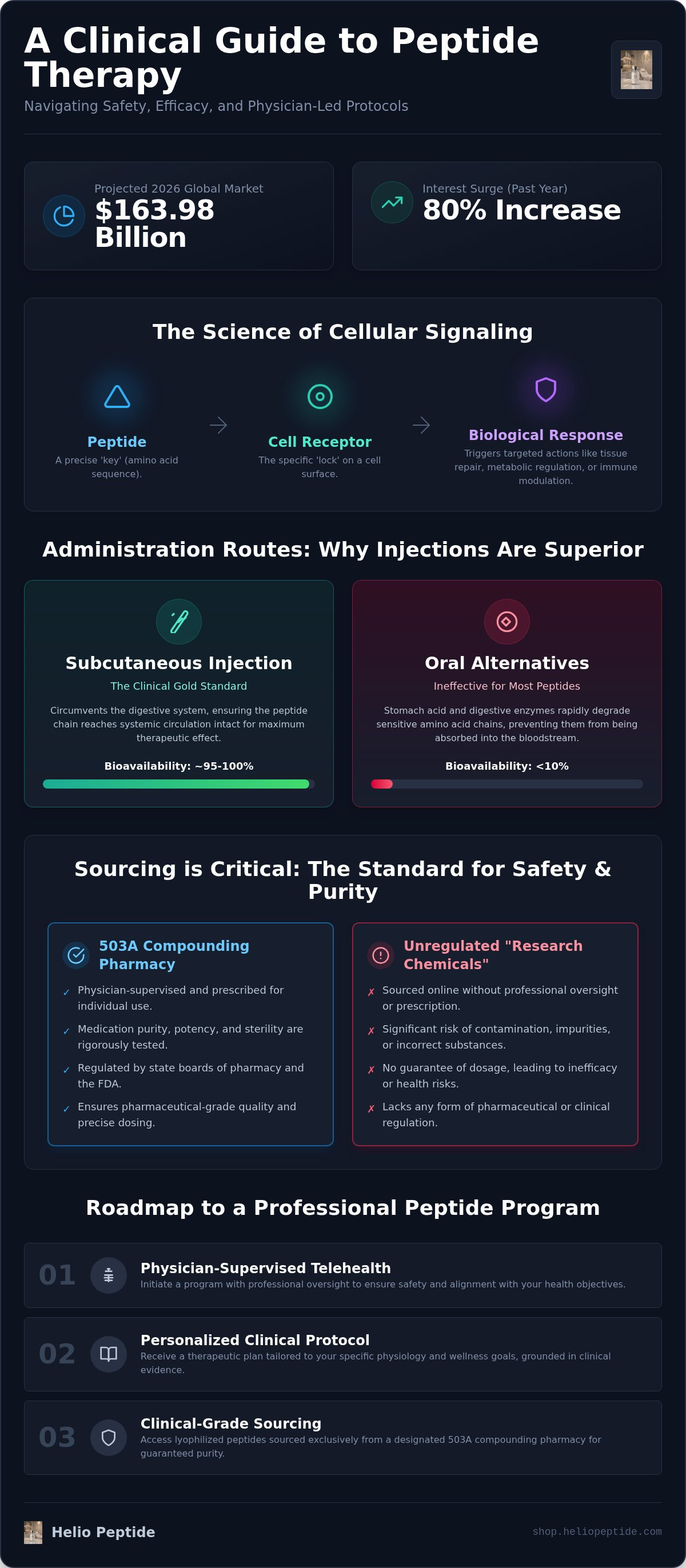
The global peptide therapeutics market is projected to reach 163.98 billion dollars in 2026, representing a massive shift toward targeted biological optimization. While interest in peptide injections has surged by 80 percent over the past year, this growth has been accompanied by a proliferation of unregulated research chemicals that lack pharmaceutical oversight. You're likely aware of the therapeutic potential these sequences hold for metabolic health, yet the fear of incorrect administration or contaminated sourcing is a legitimate barrier to entry for many individuals seeking professional results.
This clinical guide establishes the necessary standards for safety and efficacy within a physician-led framework to ensure your health optimization is rooted in evidence. You'll discover the specific mechanisms of action behind advanced protocols and learn how to distinguish between legitimate 503A compounding pharmacy products and substandard alternatives. We'll examine the regulatory landscape following the July 2026 FDA advisory meetings, providing a clear roadmap for those seeking a professional wellness programme grounded in clinical rigor and pharmaceutical precision.
Key Takeaways
- Understand how targeted amino acid sequences signal specific biological responses to shift from general wellness into precise metabolic optimization.
- Evaluate the therapeutic mechanisms of growth hormone secretagogues and triple-agonists to determine the most effective peptide injections for your specific physiological objectives.
- Discover why subcutaneous administration of lyophilized peptides provides superior bioavailability and chemical stability compared to oral or pre-mixed liquid alternatives.
- Learn to identify the 503A pharmacy designation as the critical standard for ensuring medication purity and avoiding the significant health risks associated with unregulated research chemicals.
- Access a structured roadmap for initiating a physician-supervised telehealth program that integrates professional oversight with clinical-grade therapeutic protocols.
Understanding the Clinical Efficacy of Peptide Injections
Peptide injections represent a sophisticated approach to biological modulation, utilizing short chains of amino acids to trigger specific physiological responses within the body. These compounds function as precise signaling molecules that communicate with cellular receptors to initiate processes such as tissue regeneration, metabolic regulation, or immune modulation. While once confined to specialized clinical environments or elite athletic circles, the application of Peptide therapeutics has transitioned into the mainstream of metabolic health optimization. This shift is driven by a growing body of evidence supporting the use of physician-supervised protocols over the anecdotal claims often found in the retail wellness industry. The regulatory landscape in 2026 reflects this transition, with the FDA's removal of twelve peptides from the Category 2 "do not compound" list in April marking a significant step toward broader clinical accessibility.
Effective clinical outcomes require a clear distinction between consumer-grade supplements and evidence-based peptide therapy for weight loss and restoration. The therapeutic range of these sequences is extensive, addressing systemic issues from chronic inflammation and musculoskeletal repair to hormonal insufficiency and cognitive decline. By targeting specific biological pathways with surgical precision, clinicians can facilitate a state of physical optimization that traditional pharmaceutical interventions don't always achieve. It's the difference between generalized supplementation and a highly regulated medical intervention that respects the complexity of human endocrinology.
The Science of Signaling Molecules
Peptides serve as ligands that exhibit high affinity for specific cellular receptors, effectively acting as keys that unlock biological functions. This molecular precision allows for the restoration of endogenous production of growth hormones and other vital regulatory factors that naturally decline with age. The implementation of advanced peptide therapy utilizes these mechanisms to bypass the broad systemic side effects typical of non-specific medications. This targeted approach ensures that the cellular response is localized and controlled, maintaining the delicate homeostatic balance required for peak performance.
Why Injections are the Clinical Standard
Subcutaneous administration remains the gold standard for peptide delivery due to the inherent limitations of the human digestive system. Most therapeutic peptides are highly sensitive to the acidic environment and proteolytic enzymes of the gastrointestinal tract, which rapidly degrade the amino acid chains before they can reach systemic circulation. Peptide injections circumvent these barriers, providing near-total bioavailability and ensuring that the medication reaches therapeutic concentrations quickly. This route of administration allows for precise dosing and predictable pharmacokinetics, which are essential for maintaining the integrity of a professional clinical protocol.
The Biological Mechanism: How Injected Peptides Facilitate Cellular Repair
The efficacy of clinical peptide therapy is rooted in the precise modulation of endogenous signaling pathways. Growth hormone secretagogues (GHS), such as Ipamorelin and CJC-1295, function by mimicking the action of ghrelin or growth hormone-releasing hormone (GHRH) to stimulate the pituitary gland. Unlike synthetic growth hormone, these peptides facilitate a pulsatile release that respects the body's natural circadian rhythms. This process initiates downstream effects including enhanced mitochondrial biogenesis and a reduction in systemic oxidative stress. When patients ask if they can trust trending peptide injections, the answer lies in understanding the specific biochemical pathways these molecules activate under medical guidance. By enhancing collagen synthesis and accelerating fibroblast activity, specific peptide sequences provide a clinical framework for musculoskeletal recovery and dermal restoration that goes beyond superficial treatments.
Cellular repair is not limited to structural integrity; it extends to the restoration of metabolic efficiency. The introduction of triple-agonists like retatrutide 10mg represents a significant evolution in this field. These molecules target the glucagon-like peptide-1 (GLP-1), glucose-dependent insulinotropic polypeptide (GIP), and glucagon receptors simultaneously. This multi-pathway approach optimizes insulin sensitivity and energy expenditure while protecting lean muscle mass during intensive repair phases. These advanced mechanisms ensure that the physiological environment is primed for long-term stability rather than temporary symptomatic relief.
Metabolic Pathway Optimisation
Peptides influence lipolysis at a cellular level by interacting with adipose tissue receptors to promote the mobilization of stored fatty acids. The use of semaglutide 15 mg in chronic weight management protocols demonstrates how sustained GLP-1 receptor agonism can reset metabolic set points. This regulation is critical for patients who have reached a physiological plateau, as it addresses the underlying hormonal resistance that often prevents progress. Precise dosing of these compounds allows for a controlled metabolic shift that supports systemic health without the volatile energy crashes associated with traditional stimulants.
Hormonal Restoration and Balance
There is a documented synergy between peptide therapy and physician-supervised HRT. By modulating the hypothalamic-pituitary-somatotropic axis, peptides can amplify the benefits of testosterone replacement therapy (TRT) while mitigating potential feedback loop disruptions. This integrated approach ensures that hormonal restoration is comprehensive, addressing both the primary deficiency and the secondary signaling pathways that maintain peak performance. Achieving this level of balance requires a deep commitment to protocol, which is why many individuals choose to explore clinical-grade solutions through professional facilitators who prioritize pharmaceutical purity.
Comparing Administration Routes: Why Injections Outperform Oral Alternatives
The clinical superiority of peptide injections is established through superior pharmacokinetics and the circumvention of digestive barriers that typically render other formats ineffective. While oral delivery is often marketed for convenience, it's frequently compromised by low bioavailability and inconsistent absorption rates. Subcutaneous administration ensures the peptide sequence bypasses the gastrointestinal tract, allowing for immediate entry into systemic circulation without the risk of enzymatic degradation. This route provides a level of precision dosing that isn't possible with oral formats, where therapeutic concentrations can fluctuate significantly based on individual metabolic factors or gastric pH levels. For patients seeking measurable physiological changes, the reliability of an injectable protocol is the primary requirement for success.
Bioavailability and First-Pass Metabolism
Peptides are short chains of amino acids that are inherently susceptible to degradation by proteolytic enzymes in the stomach and small intestine. When consumed orally, these molecules undergo first-pass metabolism in the liver, which often reduces the active concentration to negligible levels before it reaches the target tissues. This fundamental biological constraint is why Harvard Health Publishing emphasizes the complexity of Peptides: What they are, potential benefits, and safety concerns, particularly regarding their delivery mechanisms. Clinical trials consistently demonstrate that injectable formats maintain stable serum concentrations, whereas oral alternatives rarely achieve the threshold necessary for therapeutic efficacy in chronic weight management or tissue repair.
Stability: Lyophilised vs. Liquid Peptides
Maintaining the molecular integrity of a peptide sequence requires specialized preservation techniques that differ significantly from standard pharmaceutical manufacturing. Lyophilisation, or freeze-drying, is the industry standard for ensuring long-term stability without the need for aggressive chemical preservatives that can compromise purity. This process removes moisture while the product is frozen, locking the peptide into a stable powder form that resists thermal degradation and molecular "shearing." In contrast, pre-mixed liquid peptides are highly susceptible to rapid breakdown, which can render the medication inactive before it's even administered. Proper reconstitution using bacteriostatic water at the point of use ensures that the patient receives a potent, clinical-grade product that adheres to the highest pharmaceutical standards.
Patient concerns regarding needle phobia are often addressed through education on the reality of subcutaneous administration. These injections utilize ultra-fine needles that penetrate only the superficial fatty tissue layer, resulting in minimal discomfort compared to traditional intramuscular injections. This method is easily mastered by patients within a supervised programme and becomes a seamless part of a daily or weekly routine. The transition from apprehension to confidence occurs quickly once the patient experiences the efficiency of the delivery system and the subsequent physiological improvements. Precision and stability are the hallmarks of professional therapy, and these are only guaranteed through the use of peptide injections sourced from regulated 503A pharmacies.
Sourcing and Safety: Navigating 503A Pharmacy Standards and Physician Oversight
The clinical efficacy of any therapeutic protocol is entirely dependent upon the pharmacological integrity of the compounds utilized. While the biological potential of peptide injections is significant, the proliferation of unregulated online marketplaces has introduced substantial risks to patient safety. Achieving predictable results requires a transition from the "gray market" of research chemicals to a highly regulated medical environment. In 2026, the distinction between clinical-grade medication and substandard substances is defined by the 503A pharmacy designation and the presence of continuous physician oversight. Safety isn't a static achievement but a rigorous process of verification, sourcing, and clinical monitoring.
The 503A Pharmacy Standard
503A compounding pharmacies operate under the strict oversight of state boards of pharmacy and are required to adhere to standardized compounding procedures. These facilities produce medications on a patient-specific basis, necessitating a valid prescription from a licensed healthcare provider. Unlike "research grade" suppliers that often bypass regulatory scrutiny, 503A pharmacies are mandated to use pharmaceutical-grade ingredients and maintain sterile environments to prevent contamination. The risks associated with unregulated sources are documented and severe, often including:
- Presence of heavy metal contaminants such as lead or arsenic.
- Inclusion of bacterial endotoxins that can trigger systemic inflammatory responses.
- Inaccurate peptide concentrations leading to unpredictable physiological effects.
- Absence of structural verification, where the chemical sequence doesn't match the label.
Choosing a provider that utilizes US-licensed manufacturers ensures that every vial meets the necessary purity standards. This level of transparency is essential for maintaining the homeostatic balance required during advanced therapy.
The Role of Physician Supervision
A professional peptide protocol begins long before the first administration. It requires a comprehensive health assessment to establish baseline biomarkers through blood work and hormonal screening. This diagnostic phase allows a clinician to identify contraindications and tailor the dosage to the individual's unique metabolic profile. A prescription serves as a critical safety barrier, ensuring that the patient's physiological state is suitable for the specific signaling pathways being activated. Physicians don't merely provide access; they act as disciplined clinicians who monitor for adverse reactions and adjust titration schedules based on real-time data.
Continuous monitoring is particularly vital given the increased regulatory scrutiny seen in July 2026. As the FDA's Pharmacy Compounding Advisory Committee continues to review peptide eligibility for 503A compounding, staying within a physician-led framework protects patients from legal and medical volatility. If you're ready to prioritize safety and precision, you can access physician-supervised peptide therapy through our established clinical network. This professional oversight ensures that your optimization journey is grounded in regulatory compliance and medical excellence.
Implementing a Supervised Peptide Protocol with Helio Peptide
Helio Peptide facilitates a seamless transition from clinical theory to practical health optimization through a rigorous telehealth framework. This model addresses the common difficulty of finding legitimate medical facilitators who possess specialized expertise in advanced biological signaling. By providing a structured pathway, we ensure that patients aren't left to manage complex protocols without professional guidance. Our network provides access to over 70 clinical-grade products, allowing for a level of personalization that's rarely available in standard primary care settings. Every protocol is anchored in clinical purity and physician-led precision.
The foundation of this service is a commitment to pharmaceutical integrity. All medications are sourced exclusively from US-licensed 503A pharmacies, ensuring that every vial of peptide injections meets stringent regulatory standards for purity and potency. This oversight is critical for mitigating the risks of contamination or sequence errors associated with unregulated suppliers. Throughout the programme, certified physicians provide ongoing support, monitoring metabolic responses and adjusting dosages to maintain optimal physiological balance. This continuous feedback loop ensures that the therapy remains both safe and effective as your body adapts to the protocol.
Your Personalised Wellness Programme
Treatment plans are meticulously tailored to restore hormonal balance and enhance metabolic performance based on individual diagnostic data. A cohesive health strategy often requires the integration of GLP-1 agonists, such as lyophilized semaglutide or retatrutide, with physician-supervised HRT or TRT programs. This multi-faceted approach ensures that all aspects of the endocrine and metabolic systems are addressed simultaneously, preventing the imbalances that can occur with isolated treatments. By focusing on the synergy between different signaling molecules, we help patients achieve a state of physical optimization that's sustainable and grounded in clinical evidence.
Getting Started Safely
Securing a medical consultation is the first step in establishing a professional health protocol. During this initial phase, a licensed physician reviews your medical history and baseline biomarkers to determine the most appropriate course of action. Once the review is complete and a prescription is issued, the medication is compounded specifically for you and delivered with all necessary supplies. This streamlined process removes the confusion often associated with starting advanced therapies while maintaining the highest standards of medical ethics. To initiate your journey toward biological optimization, you may Consult with a Helio Peptide physician to begin your supervised protocol and ensure your wellness programme is managed with clinical rigor.
Advancing Toward Clinical Excellence in Health Optimization
The therapeutic landscape of 2026 demands a definitive shift from speculative supplementation to rigorous medical protocol. Clinical-grade peptide injections provide the necessary bioavailability and molecular stability to achieve measurable metabolic and structural restoration that oral alternatives simply cannot replicate. By prioritizing substances sourced exclusively from FDA-regulated 503A pharmacies and adhering to US-licensed manufacturing standards, patients bypass the significant risks of contamination and sequence errors associated with the unregulated gray market. This transition to professional oversight ensures that every signaling sequence is utilized with pharmaceutical precision and systemic safety.
Your journey toward peak performance is most effective when guided by expert clinicians who understand the complexities of advanced biological modulation. You can begin your physician-supervised peptide programme today to access a telehealth model designed specifically for safety and long-term efficacy. Establishing a foundation of clinical rigor is the most reliable way to secure your health objectives and maintain physiological balance. We look forward to facilitating your path toward physical optimization and lasting wellness.
Frequently Asked Questions
What are peptide injections and how do they work?
Peptide injections are targeted sequences of amino acids administered subcutaneously to act as signaling molecules within the body. They function as ligands that bind to specific cellular receptors, triggering precise biological responses such as growth hormone release or tissue repair. By bypassing the digestive system, these injections ensure high bioavailability and immediate systemic absorption. This mechanism allows for the restoration of endogenous pathways that've declined due to age or metabolic stress.
Are peptide injections safe for long-term use?
The safety of long-term peptide therapy is established through continuous physician oversight and the use of pharmaceutical-grade compounds. Sourcing from FDA-regulated 503A pharmacies ensures that the peptides are free from heavy metals and bacterial endotoxins found in unregulated research chemicals. Regular blood work and hormonal screenings allow clinicians to monitor physiological markers and adjust protocols as needed. Adhering to these professional standards minimizes risks while maintaining the homeostatic balance required for sustained physical optimization.
How long does it take to see results from peptide therapy?
The timeline for observable results varies based on the specific peptide protocol and the individual's metabolic starting point. Metabolic improvements, such as enhanced insulin sensitivity or appetite regulation, are often noted within the first few weeks of starting therapy. Structural repair and musculoskeletal recovery typically require a longer duration, with significant physiological changes becoming apparent after three to six months of consistent adherence. Patience and protocol compliance are essential for achieving full therapeutic potential.
Do I need a prescription for peptide injections?
Yes, a valid prescription from a licensed healthcare provider is a legal and safety requirement for obtaining clinical-grade peptides. This ensures that the therapy is initiated only after a thorough medical review and diagnostic screening. A prescription also allows patients to access 503A compounding pharmacies, which are mandated to produce medication on a patient-specific basis. Using peptides without medical authorization increases the risk of administering contaminated or structurally incorrect substances sourced from unregulated marketplaces.
What is the difference between 503A and 503B pharmacies?
503A pharmacies are traditional compounding facilities that produce medications for specific patients based on individual prescriptions. They're regulated primarily by state boards of pharmacy and must follow USP standards for sterile compounding. In contrast, 503B facilities are outsourcing facilities that can produce larger batches of medication without individual prescriptions for office use. While both maintain high standards, 503A pharmacies provide the personalized, patient-specific dosing required for most advanced peptide therapy protocols.
Can peptide injections help with weight loss?
Specific peptide sequences, particularly GLP-1 and GIP receptor agonists, are highly effective for chronic weight management and metabolic restoration. These injections work by increasing satiety, slowing gastric emptying, and improving glucose-dependent insulin secretion. When integrated into a physician-supervised programme, they help reset metabolic set points and promote the mobilization of stored fatty acids. This clinical approach addresses the hormonal resistance that often makes traditional weight loss methods ineffective for many individuals.
How should I store and reconstitute my peptides?
Lyophilized peptides must be stored in a cool, dark environment, typically a refrigerator, to maintain their molecular integrity. Reconstitution involves carefully adding bacteriostatic water to the vial and allowing the powder to dissolve without vigorous shaking, which can shear the delicate amino acid chains. Once reconstituted, the medication must remain refrigerated and should be used within the timeframe specified by the compounding pharmacy. Proper handling ensures that the therapeutic potency remains stable throughout the protocol.
What are the common side effects of peptide injections?
Common side effects are generally mild and often localized to the site of administration, including transient redness, itching, or swelling. Some individuals may experience systemic responses such as mild nausea, headaches, or lethargy as the body adjusts to the new signaling molecules. These effects are typically dose-dependent and often resolve as the titration schedule progresses. Continuous monitoring by a certified physician allows for real-time adjustments to the peptide injections protocol to mitigate discomfort while maintaining desired outcomes.
