
Physician-Supervised HRT: A Clinical Framework for Safe Hormonal Optimization
For more than two decades, a "black box" warning on menopausal hormone therapy fueled widespread clinical hesitation, but as of January 2026, the FDA has officially removed these broad warnings following an exhaustive review of long-term safety data. You likely recognize that hormonal health is the foundation of metabolic vitality, yet the prevalence of unregulated grey-market substances and generic, "one-size-fits-all" prescriptions makes it difficult to find a path that is both effective and medically sound. It's clear that physician-supervised HRT has become the definitive clinical standard for those who refuse to compromise on safety or pharmaceutical purity.
This article clarifies the rigorous standards and regulatory frameworks that define professional-grade hormonal optimization. We will provide a transparent preview of the diagnostic monitoring process, the role of FDA-regulated 503A pharmacies, and the June 2026 updates to testosterone prescribing information. By the end of this clinical overview, you will have the technical knowledge required to move beyond standard primary care and into a sophisticated model of metabolic restoration. This framework ensures that your journey toward peak performance is governed by medical precision rather than anecdotal hype.
Key Takeaways
- Understand why physician-supervised HRT is the essential clinical filter for mitigating long-term health risks and ensuring endocrine precision.
- Identify the regulatory distinctions between 503A compounding pharmacies and unregulated research chemicals to ensure pharmaceutical-grade medication purity.
- Learn how diagnostic biomarker analysis facilitates personalized dosing protocols that account for individual genetic and metabolic variance.
- Discover the systematic monitoring framework utilized for safe titration and the maintenance of optimal hormonal balance through high-touch clinical oversight.
- Explore the integration of advanced peptide protocols with traditional hormone replacement to achieve comprehensive metabolic restoration and physical optimization.
The Evolution of Hormonal Optimization: Why Physician Supervision is Non-Negotiable
Modern endocrinology has transcended the simplistic model of merely replacing deficient hormones to alleviate acute symptoms. Today, physician-supervised HRT functions as a comprehensive system of endocrine management, where the objective is to calibrate biological markers to their physiological peak. This shift from "replacement" to "optimization" reflects a growing clinical emphasis on healthspan, the period of life spent in good health. According to this Hormone Replacement Therapy Overview, the medical application of these treatments has evolved from basic symptom relief to a sophisticated tool for long term metabolic and cardiovascular protection. Without professional oversight, patients often fall into the trap of standardized dosing, which ignores the complex interplay between various hormonal axes.
Deconstructing the WHI Study Legacy
The 2002 Women's Health Initiative (WHI) findings created a legacy of clinical apprehension that modern protocols have since dismantled. It's now understood that the original study's conclusions were largely influenced by the use of synthetic progestins and a patient population that had already passed the ideal "window of opportunity." This window, typically the first decade following the onset of menopause, is when the cardiovascular benefits of intervention are most pronounced. Current physician-led protocols emphasize bioidentical hormones and transdermal delivery methods. These modern approaches avoid the first-pass hepatic metabolism issues associated with the older oral synthetics used in the early 2000s. Rigorous patient selection ensures that therapy is only initiated when the clinical benefits clearly outweigh the individualized risk profile.
The Clinical Risks of Unsupervised Hormone Use
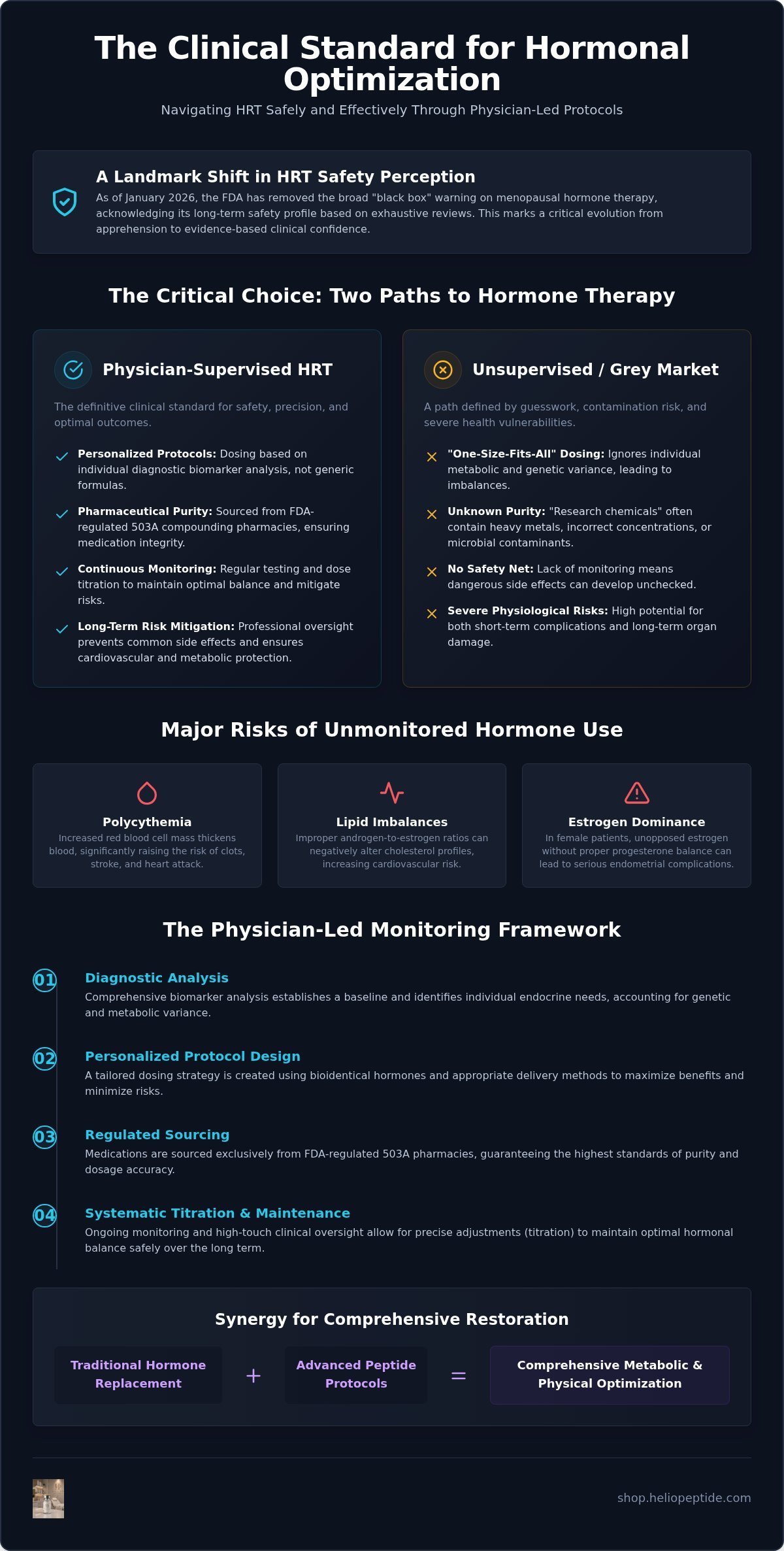
Attempting hormonal modulation without professional oversight introduces severe physiological vulnerabilities. In testosterone replacement therapy, unmonitored dosing frequently leads to polycythemia. This condition increases red blood cell mass and blood viscosity, significantly elevating the risk of thromboembolic events. Furthermore, lipid imbalances can occur if the androgen to estrogen ratio isn't precisely managed. For female patients, the danger of estrogen dominance is a primary concern. Without the protective titration of progesterone, unopposed estrogen can lead to endometrial complications. Beyond these internal risks, substances sourced from the "grey market" lack the essential purity guarantees found in regulated environments. These unregulated products often contain heavy metals or incorrect concentrations, making physician-supervised HRT the only viable path for those prioritizing safety and pharmaceutical integrity.
The transition to a supervised framework ensures that every adjustment is backed by diagnostic evidence. It moves the patient away from the trial and error methods found in fitness forums and into a space defined by clinical accountability. By prioritizing a physician-led model, you ensure that your endocrine health is managed as a dynamic, evolving system rather than a static prescription.
The Clinical Architecture of Safe HRT: Sourcing, Purity, and 503A Standards
The efficacy of physician-supervised HRT is fundamentally dependent on the pharmaceutical integrity of the compounds utilized. While the clinical focus often centers on blood panels and symptom relief, the underlying supply chain serves as the true gatekeeper of patient safety. High-tier hormonal optimization requires a transparent path from the manufacturer to the patient, ensuring that every milligram of medication meets established regulatory benchmarks. This rigorous standard distinguishes clinical-grade therapy from the high-risk "research chemicals" frequently found in the unregulated fitness industry. By prioritizing US-licensed manufacturing, providers ensure that biological substances are free from heavy metals, microbial contaminants, and dosage inconsistencies.
503A vs. 503B Pharmacies: What Patients Need to Know
Pharmaceutical compounding is governed by two distinct sets of regulations under the FDA. 503A compounding pharmacies are restricted to filling patient-specific prescriptions, which necessitates a direct relationship between the physician, the pharmacist, and the individual. This model allows for the precise customization of dosages that are often unavailable in mass-produced retail pharmaceuticals. In contrast, 503B facilities are outsourcing entities that produce larger batches for office use. Helio Peptide utilizes 503A sourcing to maintain a granular level of quality control, ensuring that each prescription is formulated specifically for the patient's unique metabolic requirements. The Clinical Management of HRT relies on this level of pharmaceutical precision to mitigate the risks associated with standardized, "off-the-shelf" hormone products. Sourcing from facilities without this FDA-level oversight exposes patients to substances that lack essential verification of potency and purity.
The Science of Lyophilization in Hormone Stability
Molecular stability is a critical factor in the administration of advanced peptides and hormones. Many clinical-grade medications, such as Semaglutide 15 mg and Retatrutide 10 mg, are delivered in a lyophilized, or freeze-dried, state. This process involves the removal of water from the compound at sub-zero temperatures under a vacuum, which effectively freezes the molecular structure in place. Lyophilization prevents the degradation that typically occurs in pre-mixed liquid solutions, which are highly sensitive to temperature fluctuations and light exposure. By reconstituting the medication at the point of use, the patient ensures that the biological activity of the hormone remains at its peak. Lyophilization ensures that the molecular structure remains intact, facilitating a final product that maintains 99% purity levels upon reconstitution. This technical standard is non-negotiable for those seeking the highest level of endocrine calibration.
Ensuring that your medication is sourced from a regulated environment is the first step in a successful optimization journey. You can explore our clinical-grade hormone and peptide offerings to see how these pharmaceutical standards are applied in practice. This commitment to sourcing provides the foundation for the sophisticated monitoring and titration protocols that follow.
Personalised Protocols vs. Standardised Dosing: Mitigating Long-Term Risks
Standardized dosing models frequently fail because they ignore the profound biochemical individuality of the patient. Genetic polymorphisms, androgen receptor sensitivity, and existing metabolic health dictate how an individual responds to exogenous hormones. Physician-supervised HRT replaces the reductive "one-size-fits-all" approach with a data-driven framework that prioritizes long term safety and physiological balance. By adhering to the NIH Clinical Guidelines on Hormone Replacement Therapy, clinicians establish a precise baseline that accounts for the specific indications and contraindications unique to each patient. This level of oversight ensures that the therapy remains a tool for healthspan extension rather than a source of secondary complications.
Biomarker Analysis: The Blueprint for Your Protocol
A comprehensive clinical workup extends far beyond measuring total testosterone or estradiol levels. To construct a safe protocol, physicians analyze a broad spectrum of biomarkers, including Sex Hormone Binding Globulin (SHBG), Free Testosterone, Prostate-Specific Antigen (PSA), and Insulin-like Growth Factor 1 (IGF-1). These markers provide a granular view of hormone bioavailability and systemic health. High SHBG levels, for instance, can render a standard dose ineffective by sequestering the hormone, while elevated PSA levels may serve as a critical contraindication for starting therapy. Ongoing lab work is essential for titration, ensuring that hormone levels remain within a "goldilocks zone" that maximizes symptomatic relief while avoiding the cardiovascular and metabolic risks associated with supratherapeutic dosing.
The Synergy of HRT and Peptide Therapy
Restoring hormonal balance is often only one component of a comprehensive physical optimization strategy. Many patients encounter a metabolic stall where, despite corrected hormone levels, body composition and energy levels remain stagnant. This is where the integration of peptide therapy for weight loss becomes a critical clinical tool. By combining TRT or HRT with advanced GLP-1 agonists like Semaglutide, physicians address the underlying metabolic dysfunction that often accompanies hormonal decline. This synergistic approach targets insulin sensitivity and adipose tissue reduction while the hormonal protocol preserves lean muscle mass. It's a dual-pathway strategy that results in superior outcomes for weight management, muscle retention, and cognitive clarity compared to isolated hormone replacement.
Physician-led titration ensures that these combined protocols are adjusted based on real-time physiological feedback. This methodical approach prevents the side effects common in unmanaged environments, such as water retention or lipid disturbances. By viewing hormonal health through the lens of integrated metabolic science, patients achieve a state of optimized vitality that is both sustainable and medically sound.
The Physician-Led Monitoring Framework: Biomarkers, Titration, and Safety
Safe hormonal optimization is not a static event but a dynamic clinical journey that requires continuous oversight. The transition into the first month of therapy marks a critical recalibration period where the endocrine system begins to respond to exogenous supplementation. During this phase, physician-supervised HRT ensures that the patient's physiological response is monitored with precision, allowing for real-time adjustments before minor imbalances escalate into clinical complications. This methodical approach transforms a standard prescription into a high-touch medical program, where data from frequent follow-ups informs every step of the titration process. By prioritizing this rigorous monitoring framework, patients can achieve metabolic stability without the risks inherent in unmanaged protocols.
The Telehealth Consultation Process
Modern telehealth has evolved into a sophisticated platform for delivering rigorous medical care. Establishing medical necessity is the first priority, achieved through a comprehensive review of the patient's health history and diagnostic lab work by a US-licensed physician. This digital infrastructure facilitates more frequent communication than traditional brick-and-mortar clinics, ensuring that the doctor-patient relationship remains active throughout the treatment cycle. These platforms utilize HIPAA-compliant encryption to maintain the confidentiality of sensitive biological data, providing a secure environment for discussing complex hormonal markers. This professional gatekeeping ensures that therapy is only initiated when clinically indicated and that every prescription originates from a verified medical authority.
Clinical Protocols for Side Effect Mitigation
Proactive management of potential adverse reactions is a hallmark of high-tier clinical care. Whether managing testosterone levels or addressing semaglutide side effects, the physician serves as the primary filter for identifying early warning signs of dosage imbalance. Common issues such as gastrointestinal sensitivity or mild lipid fluctuations are often resolved through precise adjustments to the administration schedule or dosage volume. Incremental titration of dosage allows the endocrine system to adapt gradually, which effectively minimizes the incidence of transient side effects like peripheral edema or emotional lability. This science-based titration ensures that the patient remains within the optimal therapeutic window, maximizing the benefits of the protocol while maintaining systemic safety.
The success of any optimization program depends on the quality of the medical oversight provided. You can view our physician-led programs to understand how these safety protocols are integrated into our clinical framework. This commitment to monitoring ensures that your path to vitality is both effective and medically responsible.
Helio Peptide: Restoring Vitality Through Integrated Hormonal and Peptide Therapy
Helio Peptide functions as the clinical bridge between traditional endocrine management and the frontier of advanced metabolic science. By consolidating the logistical and medical requirements of hormonal optimization into a single, high-register platform, the brand ensures that patients aren't forced to navigate the complexities of the pharmaceutical supply chain alone. Sourcing medication exclusively from FDA-regulated 503A compounding pharmacies serves as the ultimate trust signal, guaranteeing that every lyophilized compound meets the rigorous purity standards established by federal authorities. This commitment to regulatory compliance provides the necessary foundation for a safe, physician-led journey toward biological restoration. It's a model that prioritizes clinical accountability over the anecdotal hype often found in unregulated markets.
The Helio Peptide Difference: Clinical-Grade Excellence
The platform offers an expansive catalog of over 70 products, a depth of choice that allows for the creation of highly tailored health optimization programs. This variety is critical because it facilitates the seamless integration of physician-supervised HRT with advanced peptide therapy, addressing the metabolic gaps that standalone treatments often miss. By utilizing US-licensed physicians who operate within a strictly regulated medical framework, the brand maintains a level of clinical authority that is absent in standard retail environments. This integrated approach ensures that androgenic support is complemented by metabolic accelerators, such as Semaglutide 15 mg or Retatrutide 10 mg, to achieve a state of comprehensive physical synergy. Every protocol is established as a fact-based intervention designed to restore the body's natural equilibrium.
Your Path to Hormonal Restoration
Initiating a consultation through the Helio Peptide platform is designed to be a methodical and transparent process that prioritizes medical necessity over convenience. The digital infrastructure streamlines the transition from diagnostic biomarker analysis to the delivery of clinical-grade medications, reducing the friction typically associated with specialized endocrine care. Unlike the fitness industry's focus on rapid, unsustainable fixes, the Helio Peptide philosophy is rooted in the extension of healthspan and the preservation of long-term metabolic function. Every protocol is viewed as a dynamic blueprint for longevity, requiring the same level of discipline and physician oversight as any other high-tier medical intervention. This approach ensures that physical optimization is a direct consequence of scientific methodology.
Embarking on a medically supervised journey toward peak performance begins with a commitment to clinical rigor and pharmaceutical excellence. By aligning with a specialized medical facilitator, you ensure that your optimization strategy is governed by the latest scientific protocols and regulatory standards. You're invited to take the next step in your metabolic restoration by initiating a physician-supervised consultation through the Helio Peptide platform today. This is the definitive path for those who demand professional-grade solutions for their hormonal and physical health.
Advancing Your Endocrine Health Through Clinical Precision
Achieving peak physiological performance requires a transition from generic replacement to a precisely calibrated medical framework. This clinical overview has established that the intersection of pharmaceutical integrity and diagnostic oversight is the only viable path to sustainable metabolic restoration. By prioritizing medications sourced from FDA-regulated 503A pharmacies and utilizing US-licensed physician oversight for every program, patients eliminate the severe risks associated with the unregulated grey market. The integration of clinical-grade lyophilized peptides ensures maximum molecular stability; this provides a level of potency that standardized retail options simply cannot match. It's clear that physician-supervised HRT is the definitive standard for those who value scientific rigor over anecdotal claims.
Your long-term healthspan depends on the precision of your current endocrine management and the quality of your pharmaceutical sourcing. It's time to move beyond the limitations of "one-size-fits-all" care and embrace a protocol tailored to your unique metabolic biomarkers. Restore your hormonal vitality with a physician-supervised HRT program from Helio Peptide. This structured approach ensures that every adjustment to your protocol remains data-driven and medically sound. We look forward to facilitating your transition toward optimized vitality and clinical excellence.
Frequently Asked Questions
Is physician-supervised HRT safer than traditional hormone therapy?
Yes, physician-supervised HRT is characterized by dynamic calibration and continuous endocrinological oversight rather than the static, "one-size-fits-all" prescriptions typical of standard primary care. This model utilizes frequent biomarker analysis to ensure that hormone levels remain within a precise physiological window, effectively mitigating risks like cardiovascular strain or estrogen dominance. By prioritizing patient-specific titration, clinicians can proactively manage metabolic health and long-term safety.
How do I know if I am a candidate for an HRT program?
Candidacy is established through a rigorous diagnostic workup that includes a comprehensive metabolic and hormone panel. For male patients, this typically requires two separate morning testosterone readings and a PSA test for those aged 40 and over to identify any contraindications. A US-licensed physician then reviews your clinical history and current symptoms to determine if hormonal optimization is medically indicated for your specific physiological profile.
What is the difference between a 503A pharmacy and a standard retail pharmacy?
A 503A pharmacy is an FDA-regulated facility that specializes in patient-specific compounded medications, whereas standard retail pharmacies focus on mass-produced, standardized pharmaceuticals. Sourcing from a 503A facility allows for the precise customization of dosages and the use of lyophilized compounds for superior molecular stability. This ensures that every medication meets clinical-grade purity standards that are often unavailable in the generic retail supply chain.
Can I get an HRT or GLP-1 prescription online through telehealth?
Yes, prescriptions for hormonal and metabolic therapies can be legally obtained through a HIPAA-compliant telehealth platform. A US-licensed physician must first establish medical necessity through a digital consultation and a thorough review of your laboratory markers. This professional gatekeeping ensures that every prescription, whether for testosterone or metabolic peptides like Semaglutide, is grounded in clinical evidence and adheres to state-specific medical regulations.
How often will my biomarkers be monitored during my HRT protocol?
Biomarker monitoring typically occurs at 90-day intervals during the initial recalibration phase of your physician-supervised HRT program. Once physiological stability is achieved, the frequency of laboratory testing may shift to every six months to maintain the "goldilocks zone" of hormonal balance. This ongoing surveillance tracks critical markers such as hematocrit, lipid profiles, and liver enzymes to ensure the protocol remains safe and effective over the long term.
Are the hormones used in your programs bioidentical?
Yes, the clinical protocols utilize bioidentical hormones that are molecularly identical to those produced naturally by the human body. Unlike older synthetic alternatives used in the early 2000s, bioidentical options offer a more predictable metabolic response and a reduced risk of adverse cardiovascular events. These compounds are typically delivered via transdermal or injectable routes to bypass first-pass hepatic metabolism and maximize biological activity.
What happens if I experience side effects during my treatment?
Side effects are managed through immediate clinical intervention and the precise titration of your dosage schedule. If a patient experiences symptoms like water retention or mood fluctuations, the supervising physician analyzes current biomarkers to identify the underlying hormonal imbalance. Adjusting the administration frequency or the concentration of the compound usually resolves these transient issues, ensuring that the optimization process remains comfortable and medically sound.
How long does it take to see results from a physician-supervised HRT program?
Physiological improvements, such as restored energy levels and improved cognitive clarity, often manifest within four to twelve weeks of initiating therapy. While metabolic recalibration begins immediately, the full clinical benefits of hormonal restoration typically peak after several months of consistent, monitored administration. It's important to view this process as a long-term strategy for healthspan extension rather than a temporary fix for acute symptoms.
