
Peptides to Lose Weight: A Clinical Overview of Metabolic Signaling
Between 2019 and 2024, the volume of adults prescribed GLP-1 medications for obesity increased by 587 percent, yet many patients utilizing peptides to lose weight still find themselves trapped behind stubborn metabolic plateaus. You have likely experienced the exhaustion of hitting a physiological wall where traditional caloric restriction no longer yields results. It's a common frustration rooted in the complex reality of endocrine signaling rather than a lack of discipline or willpower.
This clinical overview provides a deep dive into the scientific mechanisms of peptide therapy and explains how these compounds interface with your body's natural metabolic pathways. You'll discover why physician-led protocols are essential for navigating the transition from weight loss to long term metabolic health. We will examine the biological function of advanced therapies like Semaglutide and Retatrutide; distinguish between high purity clinical grade sourcing and the risks of unregulated "research" products; and outline a safe, evidence based path toward optimizing your cellular performance through precise metabolic signaling. By moving beyond the hype of the retail market, you can begin to understand the rigorous standards required for true physiological optimization.
Key Takeaways
- Understand how short-chain amino acids function as precise signaling molecules to regulate complex metabolic processes at a cellular level.
- Explore the specific biological pathways that stimulate growth hormone release and trigger lipolysis to effectively utilize stored adipose tissue.
- Analyze the clinical efficacy of advanced peptides to lose weight, such as lyophilized Semaglutide, and how they compare to growth hormone secretagogues for sustainable metabolic optimization.
- Identify the critical safety distinctions between regulated 503A pharmacy manufacturing and the significant biological risks posed by unregulated "research grade" substances.
- Learn the procedural steps for implementing a physician-supervised telehealth protocol that integrates peptide therapy with comprehensive hormone replacement strategies.
Understanding Peptides to Lose Weight: Biological Foundations
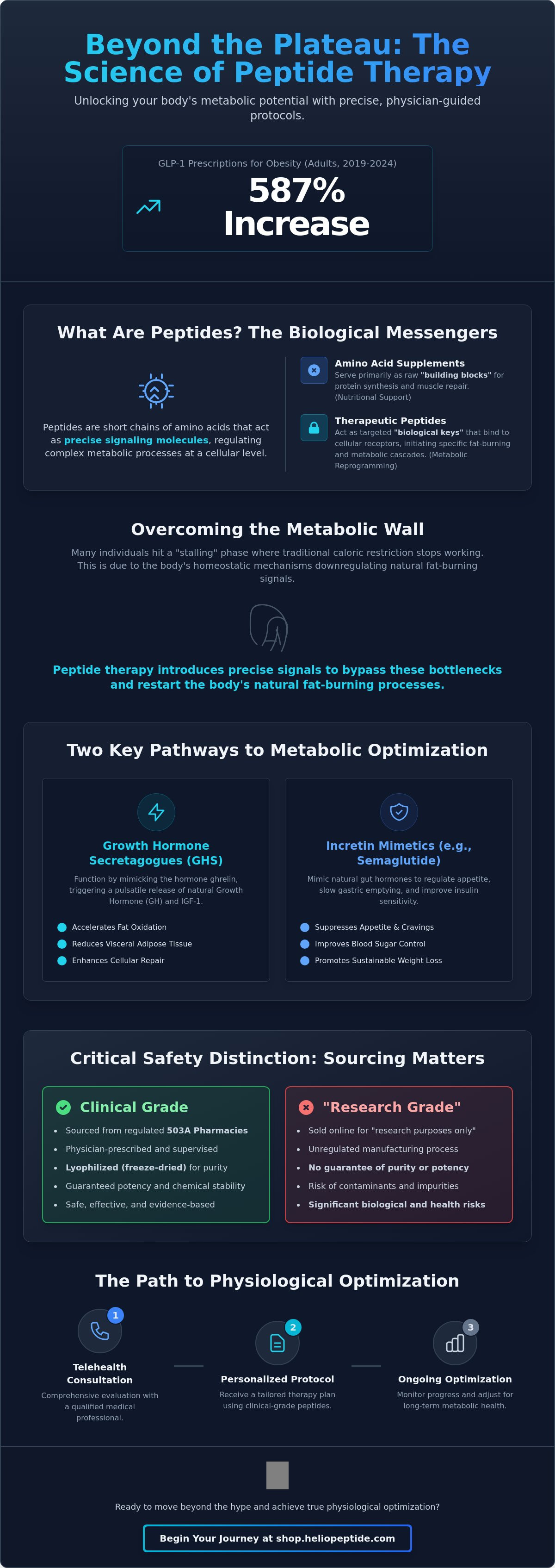
Peptides represent a specific class of biological signaling molecules composed of short chains of amino acids, typically defined as sequences containing fewer than fifty monomers. Unlike larger proteins, these precise molecular structures are engineered to facilitate rapid and highly specific communication between cells, acting as messengers that regulate complex endocrine and metabolic functions. While the retail fitness industry often conflates over the counter amino acid supplements with therapeutic interventions, clinical grade peptide therapy operates through fundamentally different biological mechanisms. Supplemental amino acids serve primarily as raw building blocks for protein synthesis; conversely, therapeutic peptides act as targeted ligands that bind to specific cellular receptors to initiate systemic physiological cascades. This distinction is critical for patients seeking pharmacological agents for weight loss that offer genuine metabolic reprogramming rather than simple nutritional support.
The Role of Signaling in Weight Management
Peptides act as biological keys designed to fit into specific cellular receptors, triggering responses that govern appetite suppression, insulin sensitivity, and the rate of fat oxidation. Many individuals encounter a metabolic "stalling" phase where homeostatic mechanisms resist further fat reduction, a state often caused by a downregulation of natural signaling pathways. By introducing precise exogenous sequences, clinicians can bypass these regulatory bottlenecks to restart the body's fat burning processes. The efficacy of using peptides to lose weight depends entirely on the precision of the amino acid sequence, as even minor variations in molecular arrangement can significantly alter the molecule’s binding affinity and the resulting therapeutic outcome.
Endogenous vs. Exogenous Peptide Administration
The human body naturally produces an array of peptides to maintain metabolic equilibrium, but these levels typically decline due to age, environmental stressors, or chronic metabolic dysfunction. This physiological deficit often manifests as increased visceral adiposity and a corresponding decrease in lean muscle mass. Utilizing exogenous peptides to lose weight allows for the restoration of these signaling pathways to peak performance levels through controlled clinical intervention. Professional protocols utilize lyophilized peptides, which are specialized freeze dried formulations created to preserve structural integrity and ensure chemical stability. This process is vital because peptide molecules are inherently fragile; exposure to improper temperatures or light can cause rapid denaturation, rendering the therapy ineffective. Physician led guidance ensures that these compounds are sourced from regulated 503A laboratories, maintaining the rigorous standards required for safe and effective metabolic optimization.
Metabolic Mechanisms of Action in Peptide Therapy
Peptide therapy operates through precise endocrine modulation rather than the blunt physiological force of severe caloric restriction. When utilizing peptides to lose weight, the primary objective is the activation of specific cellular receptors that regulate lipid metabolism and systemic energy expenditure. These compounds act as biological catalysts, initiating a series of intracellular cascades that prioritize the mobilization of stored energy while maintaining homeostatic balance. Unlike traditional stimulants, which often cause cardiovascular strain, clinical peptide interventions focus on the restoration of natural signaling pathways to achieve sustainable metabolic shifts.
Growth Hormone Secretagogues (GHS)
Growth Hormone Secretagogues function by mimicking the endogenous hormone ghrelin, which binds to the growth hormone secretagogue receptor in the anterior pituitary gland. This interaction triggers a pulsatile release of natural growth hormone, subsequently increasing the production of Insulin-like Growth Factor 1 (IGF-1). This endocrine response significantly accelerates fat oxidation and enhances cellular repair mechanisms, allowing for more efficient recovery during intensive physical optimization protocols. GHS therapy specifically targets the reduction of visceral adipose tissue by enhancing the efficiency of systemic fat oxidation.
Incretin Mimetics and GLP-1 Pathways
Incretin mimetics, particularly Glucagon-like Peptide-1 (GLP-1) receptor agonists, have redefined the standard for metabolic intervention by slowing gastric emptying and modulating hypothalamic signaling to induce prolonged satiety. Advanced protocols often utilize dual agonists that simultaneously target GLP-1 and Glucose-dependent Insulinotropic Polypeptide (GIP) receptors to maximize insulin sensitivity and glucose disposal. These dual action pathways are central to the current understanding of the clinical safety of GLP-1 medications, as they effectively reduce the systemic inflammation frequently associated with chronic obesity. By stabilizing blood glucose levels and reducing the insulin spikes that promote fat storage, these peptides create a biological environment conducive to long term weight management.
A distinctive advantage of using peptides to lose weight is the preservation of lean muscle mass during periods of energy deficit. Traditional weight loss strategies often result in significant catabolism of muscle tissue, which ultimately lowers the basal metabolic rate and leads to weight regain. Peptide signaling maintains a positive nitrogen balance and supports muscle protein synthesis even when systemic calories are reduced. This protective effect ensures that weight loss is derived primarily from adipose stores rather than functional lean tissue. For individuals seeking a structured medical approach to these biological processes, Advanced Peptide Therapy provides the necessary clinical oversight to ensure protocol precision and safety.
Evaluating Therapeutic Peptides for Weight Loss
The selection of specific therapeutic peptides to lose weight requires a clinical understanding of the patient's unique metabolic profile. While some individuals require aggressive appetite suppression and glucose modulation, others benefit more from the optimization of growth hormone levels to improve body composition. Clinical efficacy is not determined by the potency of a single compound but by the alignment of the peptide sequence with the patient’s physiological deficits. A standardized approach often overlooks the nuances of metabolic adaptation, making individualized protocols the cornerstone of successful long term management.
GLP-1 Agonists: Semaglutide and Beyond
Semaglutide has established a rigorous clinical track record for weight reduction by providing sustained glycemic control and appetite suppression. In clinical environments, utilizing lyophilized Semaglutide ensures that the molecular integrity remains intact, allowing for precise dosing and predictable metabolic responses. Successful outcomes depend on a structured titration schedule, where dosages are incrementally adjusted to mitigate gastrointestinal side effects while maximizing satiety signaling. As patients transition from active loss to metabolic maintenance, the focus shifts toward stabilizing the basal metabolic rate. Emerging triple agonists like Retatrutide represent the next evolution in this field, targeting GLP-1, GIP, and glucagon receptors simultaneously to address multiple facets of metabolic dysfunction in a single protocol.
GHRH and GHRP Analogs
Growth Hormone Releasing Hormone (GHRH) analogs like CJC-1295 and Growth Hormone Releasing Peptide (GHRP) analogs such as Ipamorelin offer a different therapeutic pathway. These peptides work synergistically to stimulate a natural, pulsatile release of growth hormone from the pituitary gland. This mechanism is particularly effective for individuals whose primary goal is the reduction of visceral fat while preserving lean muscle mass. Unlike GLP-1 agonists, which primarily affect satiety, GHS therapy focuses on enhancing fat oxidation and improving systemic recovery. The ideal candidate for this intervention is often someone experiencing age related growth hormone decline who maintains a commitment to physical optimization but struggles with stubborn adipose deposits. Integrating these analogs requires a sophisticated understanding of endocrine balance to ensure that growth hormone levels remain within a safe, physiological range.
Effective weight management through peptide therapy is an iterative process that demands professional oversight. Clinicians must evaluate biomarkers, lifestyle factors, and individual tolerance levels to refine the therapeutic strategy over time. This rigorous methodology ensures that the use of peptides to lose weight remains a safe and sustainable component of a comprehensive health optimization plan.
Clinical Safety Standards and Regulatory Compliance
The proliferation of online vendors offering "research only" substances has created a significant safety gap for those seeking peptides to lose weight. These products are often labeled specifically to bypass human consumption regulations, meaning they are not subject to the rigorous purity testing required for clinical applications. Utilizing substances from unregulated sources introduces the risk of heavy metal contamination, incorrect molecular sequences, or bacterial endotoxins. Clinical safety is achieved only through a controlled supply chain where every compound is verified for identity, potency, and sterility through analytical validation before administration. High purity standards ensure that the peptide sequence remains stable and biologically active upon delivery.
The 503A Pharmacy Distinction
503A compounding pharmacies represent the gold standard for individualized peptide therapy. These facilities operate under strict state board oversight and follow United States Pharmacopeia (USP) guidelines for sterile compounding to ensure medication is free from contaminants. Unlike mass manufactured retail drugs, 503A pharmacies prepare medications based on specific physician prescriptions, ensuring that the final product meets the exact requirements of the patient's protocol. This regulatory framework provides a layer of security that "grey market" vendors cannot replicate. 503A pharmacies are regulated by state boards to ensure patient-specific safety through documented quality control and batch testing processes.
Risks of Unmonitored Peptide Use
Self-administration without professional guidance often leads to sub-optimal results or preventable adverse reactions. Incorrect dosing can cause severe gastrointestinal distress, while poor sourcing can result in the administration of degraded proteins that trigger immune responses. A physician-led protocol begins with comprehensive baseline blood work to identify contraindications and ensure the endocrine system is physiologically prepared for metabolic intervention. Physician oversight mitigates common side effects like nausea or fatigue by adjusting titration schedules based on real-time patient feedback and quantitative biomarker analysis. Without this clinical gatekeeping, the risk of permanent metabolic disruption increases significantly.
Establishing a safe path to optimization requires a commitment to pharmaceutical integrity and professional accountability. To ensure your protocol adheres to these rigorous safety standards, you can access clinical grade Advanced Peptide Therapy through our regulated physician-led platform. By prioritizing regulated sourcing of peptides to lose weight, you protect your long term metabolic health from the variables of an unmonitored marketplace.
Implementing a Physician-Supervised Peptide Protocol
The transition from understanding metabolic signaling to active intervention requires a structured clinical framework. Implementing a physician-supervised protocol ensures that the use of peptides to lose weight is both safe and physiologically optimized. This process moves beyond the simplistic "calories in versus calories out" model, focusing instead on the restoration of hormonal balance and cellular efficiency. A professional protocol involves continuous data collection and clinical oversight to ensure that the patient’s metabolic markers are moving in the desired direction without compromising systemic health. It's a methodical approach where results are the direct consequence of scientific precision rather than guesswork.
The Clinical Intake and Consultation Process
A comprehensive medical intake serves as the foundation for any successful peptide strategy. This initial phase involves a detailed review of medical history and the collection of extensive metabolic lab panels, including markers for glucose regulation, lipid profiles, and baseline endocrine function. These diagnostics allow a specialized physician to determine whether a patient is best suited for GLP-1 receptor agonists like Semaglutide or growth hormone secretagogues that stimulate endogenous GH release. Once the appropriate sequence is selected, the patient receives physician-prescribed lyophilized peptides directly from a regulated pharmacy. This ensures the structural integrity of the compound is maintained from the laboratory to the patient, providing a level of precision that retail solutions cannot achieve.
Comprehensive Wellness Integration
Peptide therapy achieves its highest efficacy when integrated into a broader strategy of physiological optimization. For many patients, the synergy between metabolic peptides and Physician-Supervised HRT or TRT programs is a critical factor in overcoming stubborn plateaus. While peptides address signaling pathways for fat oxidation and satiety, hormone replacement therapy ensures that the androgenic environment is conducive to muscle preservation and energy vitality. This dual approach addresses the root causes of metabolic decline rather than merely treating the symptoms. These clinical tools work most effectively when paired with targeted resistance training and optimized nutritional protocols that support nitrogen balance and lean tissue maintenance.
The final component of a professional protocol is the commitment to ongoing monitoring and iterative dosage adjustments. As the body adapts to the new signaling environment, a physician must evaluate progress through follow-up consultations and repeat lab work to refine the titration schedule. This ensures that the use of peptides to lose weight remains a dynamic and responsive therapy rather than a static prescription. To begin this process, individuals should seek a professional medical evaluation to establish a data-driven baseline for their metabolic journey. By operating within this highly regulated clinical space, you can achieve peak physical performance through a transparent and rigorous methodology.
Optimizing Metabolic Signaling for Sustainable Results
The decision to utilize peptides to lose weight represents a shift from generalized weight loss attempts to precise biological optimization. By leveraging the specific signaling capabilities of short-chain amino acids, you can bypass metabolic plateaus and restore the endocrine pathways necessary for sustainable health. This holistic approach to wellness is mirrored by the philosophy at the VIGORY Center, which provides modern fitness and aesthetic services to support a total-body optimization strategy. True physiological transformation is not achieved through unregulated research products but through the rigorous standards of clinical oversight and pharmaceutical integrity. Success in this field is the inevitable result of aligning advanced science with individualized medical protocols.
Begin your physician-supervised peptide program today to access clinical-grade lyophilized peptides sourced from FDA-regulated 503A pharmacies. Our platform facilitates physician-supervised telehealth consultations to ensure every aspect of your protocol is safe, precise, and effective. It's a methodical process rooted in evidence-based medicine and professional accountability. You now possess the scientific understanding to reclaim your metabolic health with absolute confidence.
Frequently Asked Questions
Are peptides for weight loss safe for long-term use?
Safety during extended therapy depends entirely on professional oversight and the specific molecular sequence utilized. Clinical data for GLP-1 agonists indicates a favorable long term safety profile when administered under medical supervision. Continuous monitoring of renal function and metabolic markers is required to ensure the body maintains homeostatic balance and to prevent physiological adaptations that could diminish therapeutic efficacy over time.
Do I need a prescription to buy peptides for weight loss?
Yes, all clinical grade peptides require a valid prescription from a licensed healthcare provider. This requirement serves as a critical safety barrier to ensure that the medication is sourced from regulated 503A compounding pharmacies rather than unregulated online vendors. A prescription also ensures that your unique medical history and baseline biomarkers have been evaluated to confirm that peptide therapy is a safe intervention for your specific health profile.
What is the difference between clinical peptides and research chemicals?
Clinical peptides are manufactured in highly regulated 503A facilities that adhere to strict United States Pharmacopeia standards for sterility and potency. In contrast, "research chemicals" are often sold without regulatory oversight and are frequently labeled "not for human consumption" to bypass safety laws. These unregulated products carry significant risks of heavy metal contamination, incorrect amino acid sequences, and unpredictable biological activity.
How long does it take to see results from peptide therapy?
Initial physiological shifts in appetite suppression and glucose regulation typically occur within the first fourteen days of administration. However, significant changes in adipose tissue reduction and body composition usually require eight to twelve weeks of consistent adherence to a protocol. The timeline for results varies based on the individual's metabolic starting point and the specific peptides to lose weight selected for their program.
Can peptides help lose weight without diet and exercise?
Peptides are potent metabolic signaling tools, but they function most effectively as part of a comprehensive optimization strategy. Relying on peptides to lose weight without resistance training and proper protein intake increases the risk of losing lean muscle mass alongside body fat. Clinical success is highest when these compounds are used to enhance the metabolic response to a disciplined lifestyle rather than replacing it entirely.
What are the most common side effects of weight loss injections?
Gastrointestinal symptoms such as mild nausea, delayed gastric emptying, or localized irritation at the injection site are the most frequently documented side effects. Most of these issues are transient and can be effectively managed through a conservative titration schedule where dosages are increased slowly over several weeks. Professional monitoring allows for real time adjustments to the protocol to minimize discomfort while maintaining therapeutic momentum.
How do 503A pharmacies ensure the quality of peptides?
503A pharmacies must comply with rigorous state board regulations and sterile compounding standards to ensure patient safety. They utilize advanced analytical techniques to verify the identity and purity of every batch before it is dispensed to a patient. This process includes testing for bacterial endotoxins and ensuring the final lyophilized product contains the exact milligram dosage specified by the prescribing physician.
Can I combine different peptides for better weight loss results?
Combining different classes of peptides, such as a GLP-1 agonist with a growth hormone secretagogue, can target multiple metabolic pathways simultaneously for enhanced results. This approach, often referred to as stacking, allows for concurrent appetite suppression and increased fat oxidation while protecting lean muscle tissue. Any combination of peptides to lose weight must be designed and monitored by a physician to prevent adverse endocrine interactions.
